Cloud typology diagram
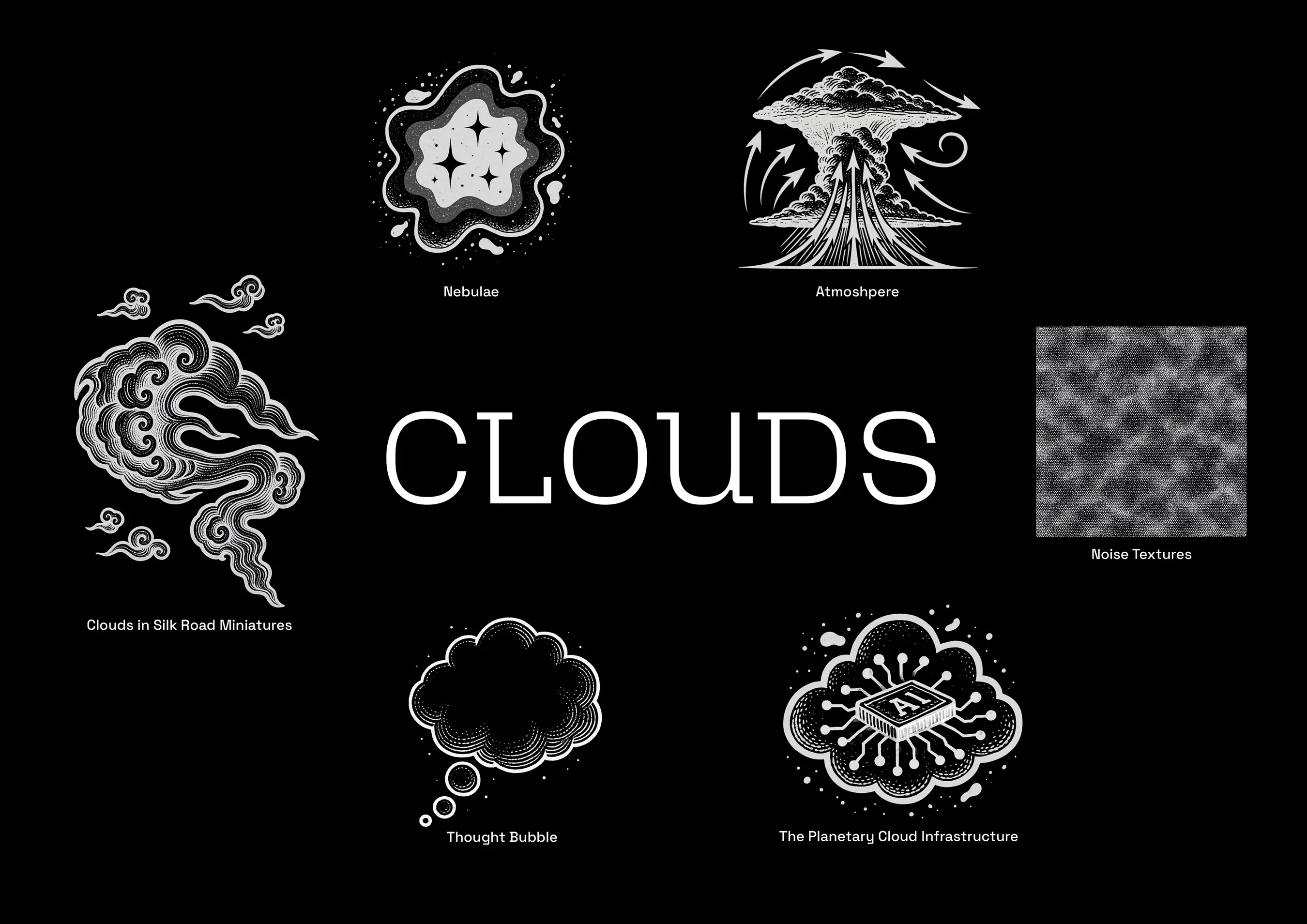
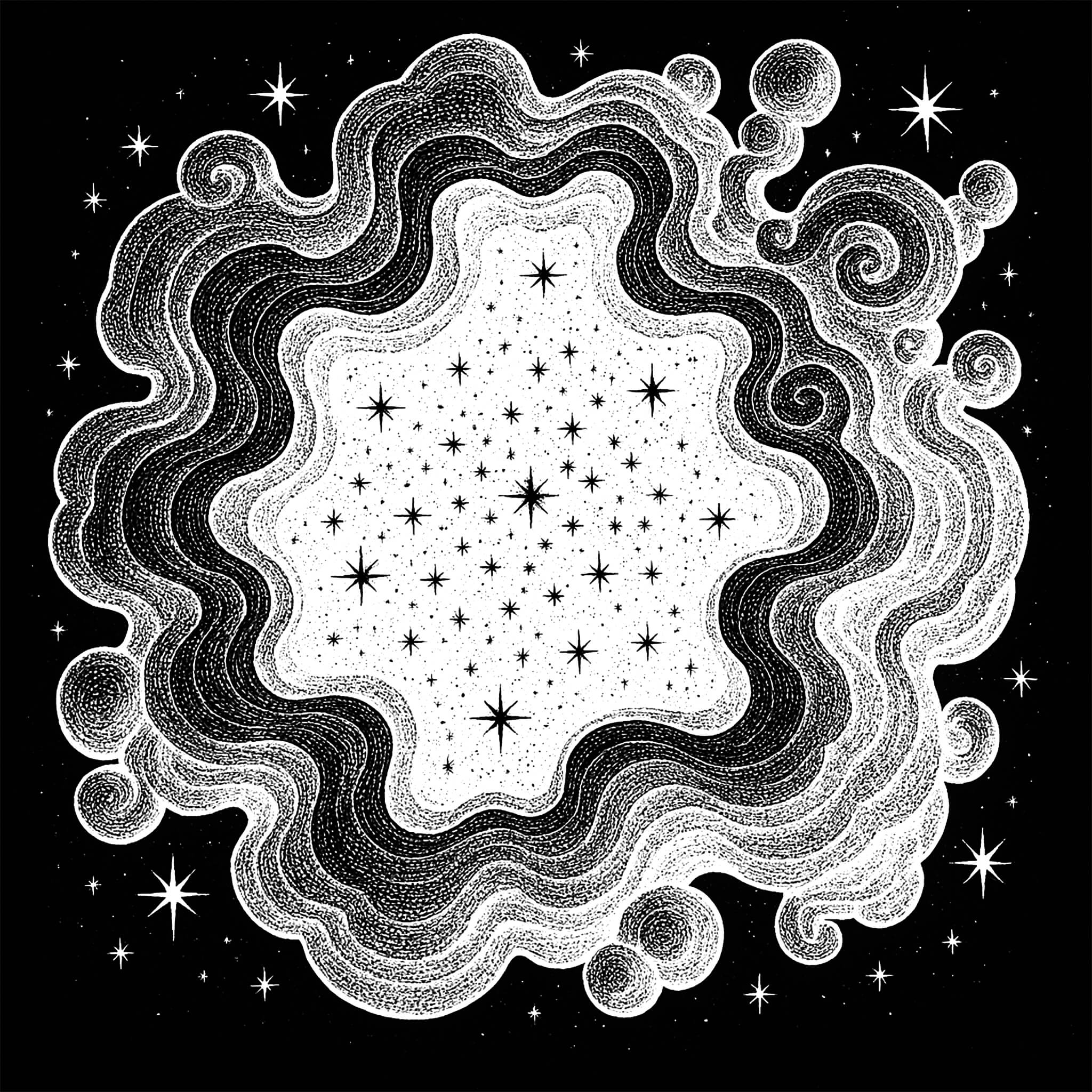
The cloud has become a potent figure bridging different fields, realms, periods and territories often thought to be distant and unrelated. Within the cloud, cosmology stands next to computer science and art history. Illustration by Mete Kutlu, 2025.

Empire of Clouds is the culmination of six years of research along the ancient Silk Road. It is a storm of thought that unfolds across five volumes, 2,613 pages, and more than 1,000 images. It offers a colorful invitation to a cosmic journey that moves from the secret archives of the Vatican to the architectures of machine learning. In the personal library of the Ottoman sultan in Constantinople, we encounter the prototypes of our own algorithmic future.

The voyage traces how the fantastical atmospheres of miniature paintings open toward the unknown depths of the cosmos. Within the mineral waves of marble-clad temples, we rediscover the turbulent birth of galaxies. The pixel becomes the cosmos, the pigment becomes the algorithm. Once expressed through myths and prophecy, the cloud returns today as the governing principle of our societies: a planetary technological infrastructure that reshapes how we think and create.

The compass for cultural evolution is no longer the Italian Renaissance of Florence but the Turkish Renaissance which took place in Herat, Afghanistan. This was a model of civilization where algorithms and cosmology entangled within an iridescent vision of the world.

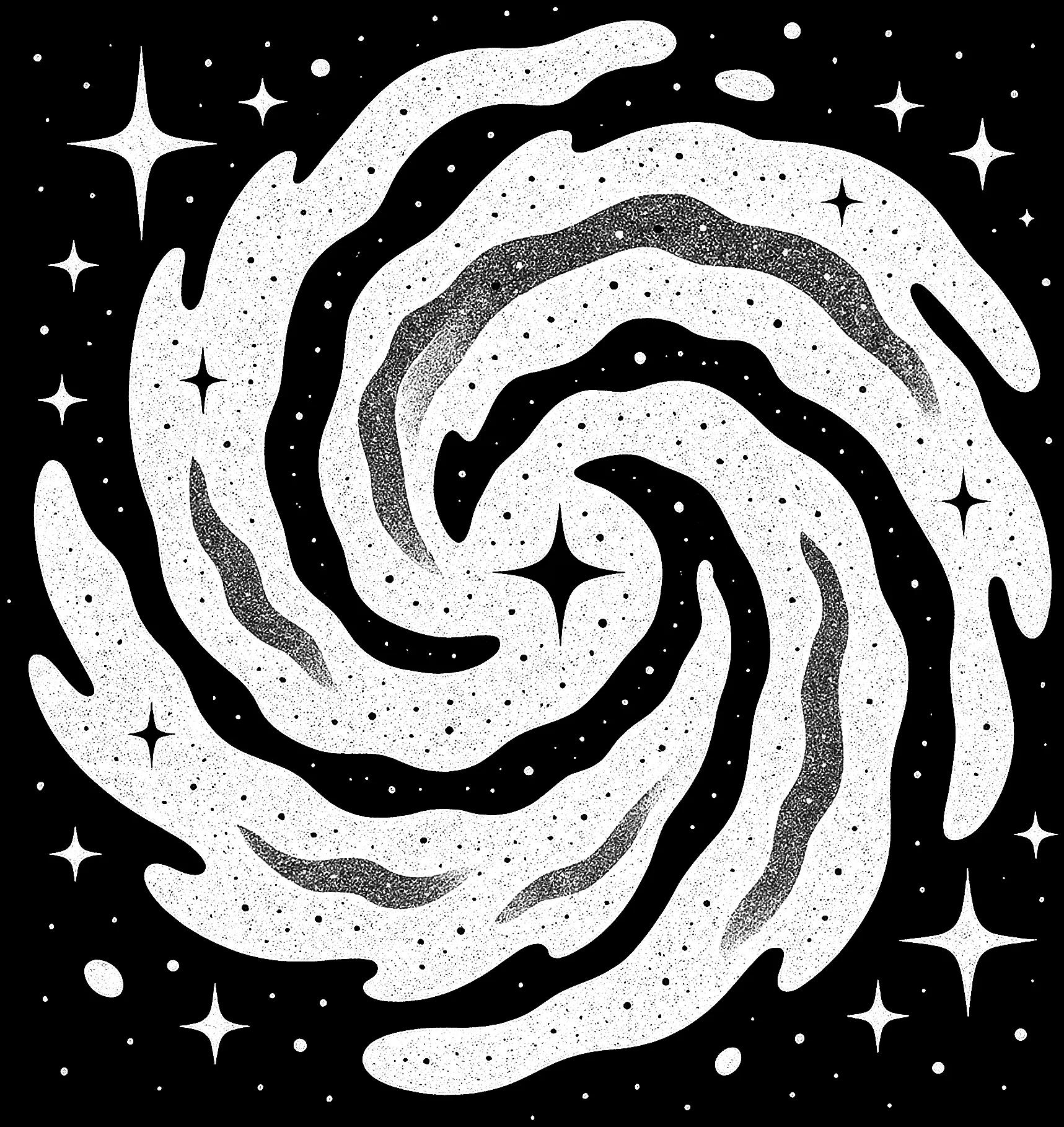
Clouds as interstellar medium and galaxies

Research at a Glance

6 years of research along the medieval Silk Road
5 books - 2,613 pages - 1,000 images
42 supporting institutions
2 awards
25 visited cities across 13 countries
5 missions of spatial data capture
10 terabytes of generated data
20 computational experiments
20 video essays
8 augmented reality applications
2 immersive websites
7 interactive platforms

Research Framework

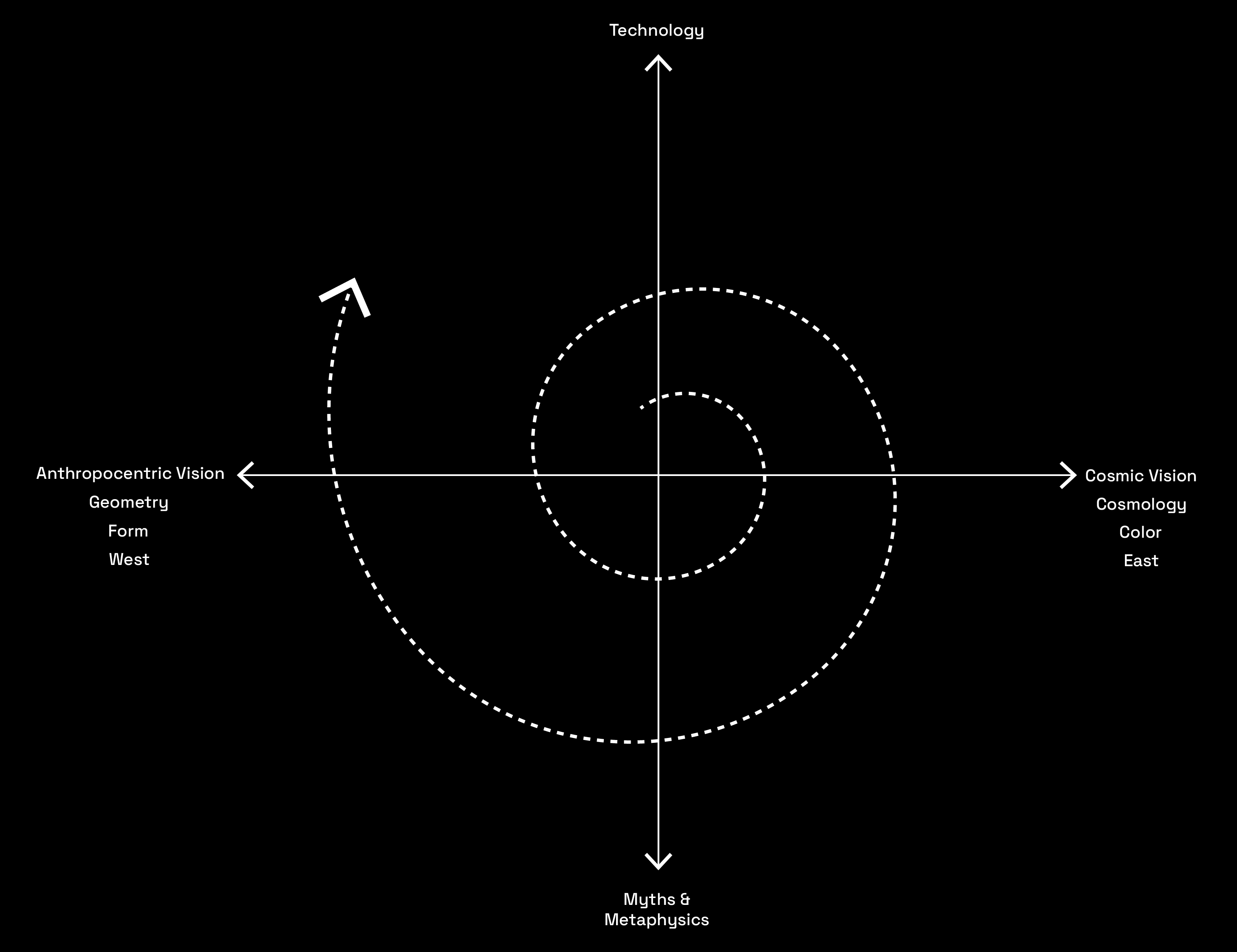
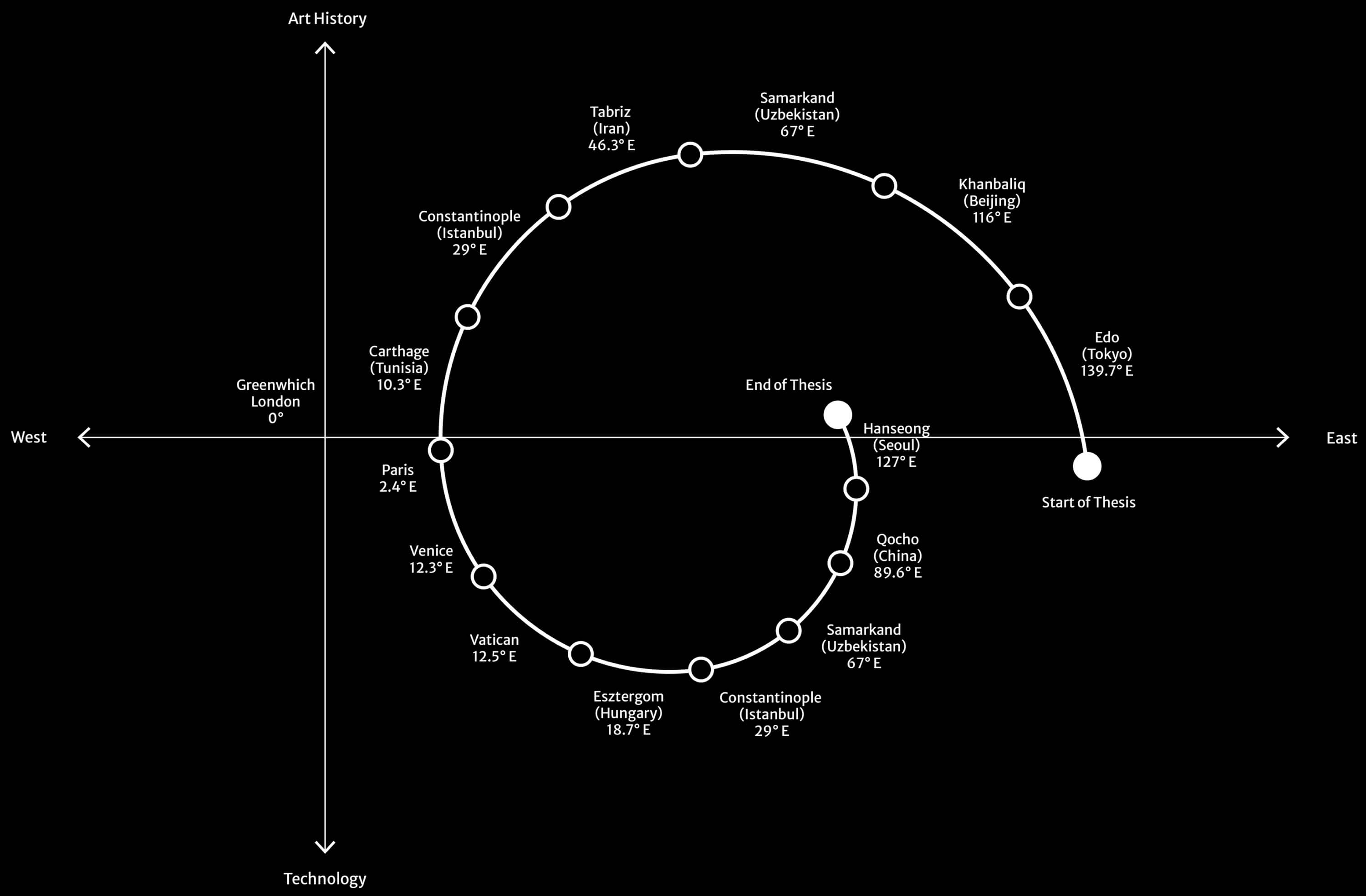
The thesis navigates between two fundamental axes: from anthropocentric to cosmic vision, and from technology to myth & metaphysics. Its trajectory follows a spiral — expanding outward from the centre, crossing quadrants, before looping back in a new direction.
Research framework spiral diagram
The graph shows the non-linear understanding of history that underlies this research. The spiral of history folds onto itself, reactivating and deactivating dynamics from the past in new forms. Graph by Mete Kutlu, 2025.

Fieldwork

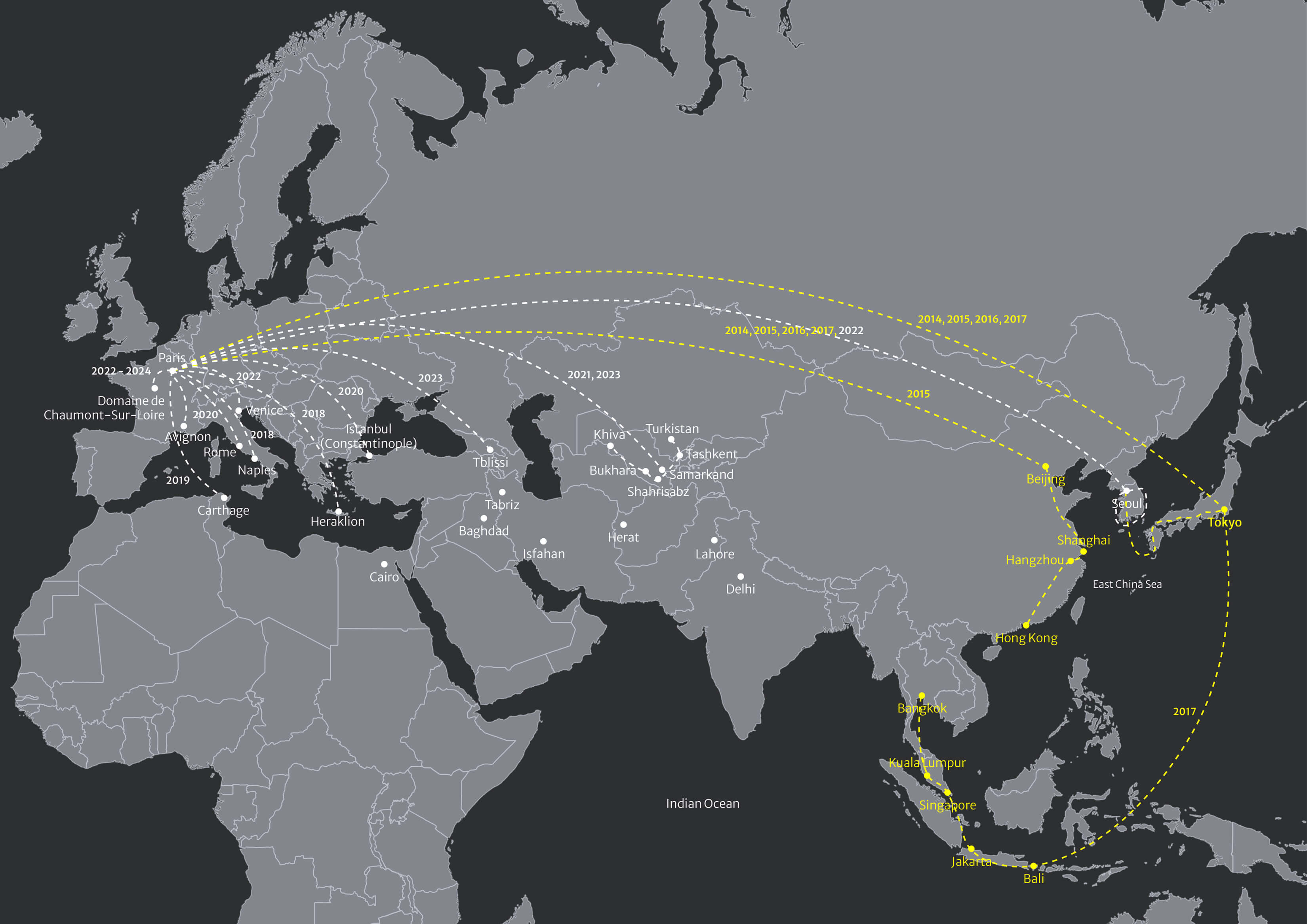
This project unfolds from a life lived between distant horizons. Moving from Belgium to Turkey, from France to South Korea and Japan, I traversed the two historical poles of the ancient world before turning toward the connective space between them. The Silk Road became the axis of this journey.
Fieldwork travel map
Field studies and related travels. White dashed lines indicate the trips made as part of the doctoral research. Yellow lines trace earlier travels which lead to this research. Map by Mete Kutlu, 2025.

The Turkish World

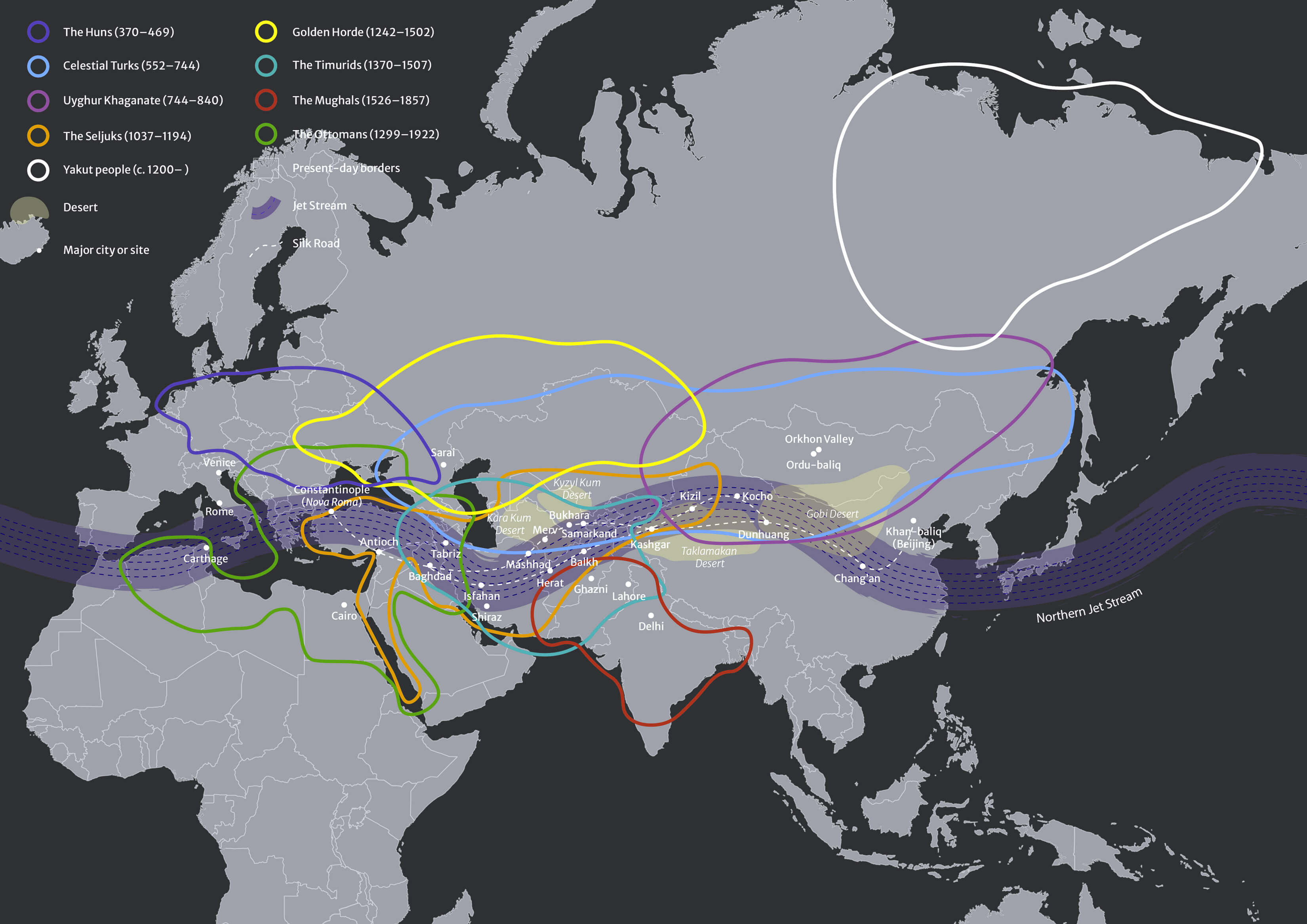
Along the Silk Road, meteorology becomes cosmology. This corridor marks one of the rare historical zones where the deep structures of our algorithmic world can be traced back to medieval speculations about the structure of the universe. Here, politics and art reflected the music of the spheres with exceptional intensity. In the premodern Turkish world, we encounter an alternative reading of civilization, a distinct epistemic horizon from which the age of artificial intelligence appears not as rupture, but as a revelation and a resurrection.
The Turkish world between the 4th and 20th century, from the Pacific to the Mediterranean. The map shows how the Turkish migration and the Silk Road coincide with the planetary wind belt, Northern Jet Stream. Map by Mete Kutlu, 2025.

Roadmap

The structure of this thesis follows a spiral trajectory.
We begin by moving from East to West,
starting in Japan and continuing through Central Asia
until we arrive at Constantinople.
From there, we jump to Paris and Carthage,
the westernmost points of this research,
before returning eastward to reach Seoul, South Korea.
Roadmap of the thesis diagram
The roadmap shows the organization of chapters based on the meridians. The diagram also reflects a conceptual progression: the first half of the spiral emphasizes art history and premodern cosmologies, while the second half shifts focus toward digital technologies and contemporary visual systems. Graph by Mete Kutlu, 2025.

Contents

The full contents of the five volumes that form Empire of Clouds: Codes, Colors and Cosmos.

Vignette
Nebula
BOOK I
General Introduction
1
Methodological Statement
Context, Hypothesis & State of the Art
2
Spiral of History
When the Past Becomes a Future Again
3
Thought Beyond Intelligence
The Human Mind in the Age of AI
EASTERN WINDS
Mythical Atmospheres along the Silk Road
4
Dragon’s Breath
Clouds as Cosmic Energy in East Asian Culture
5
Turkish Storm
Carrying the Chinese Cloud to Roman Lands
Vignette
Astral Whorl
BOOK II
Cosmic Cryptography
Talismanic Cities and the Algorithmic Universe
Digital Media: 3D Modeling and Procedural Design
Artisanal Media: Architecture of Constantinople and Samarkand
6
Winds of Creation
Breath and Code in Sufi Cosmology
7
Algorithmic Mosaics
Proto-Digital Thinking on the Silk Road
8
Hacking the Universe
Lettrist Matrices and Quantum Computation
9
Encoded Cities
From Cosmic Plans to Smart City
10
Clouds of Analogy
From Dream Worlds to Machine Simulations
11
From Sophia to Data
Silicon Dreams of Constantinople French Palace & Topkapı Palace (Istanbul, Turkey)
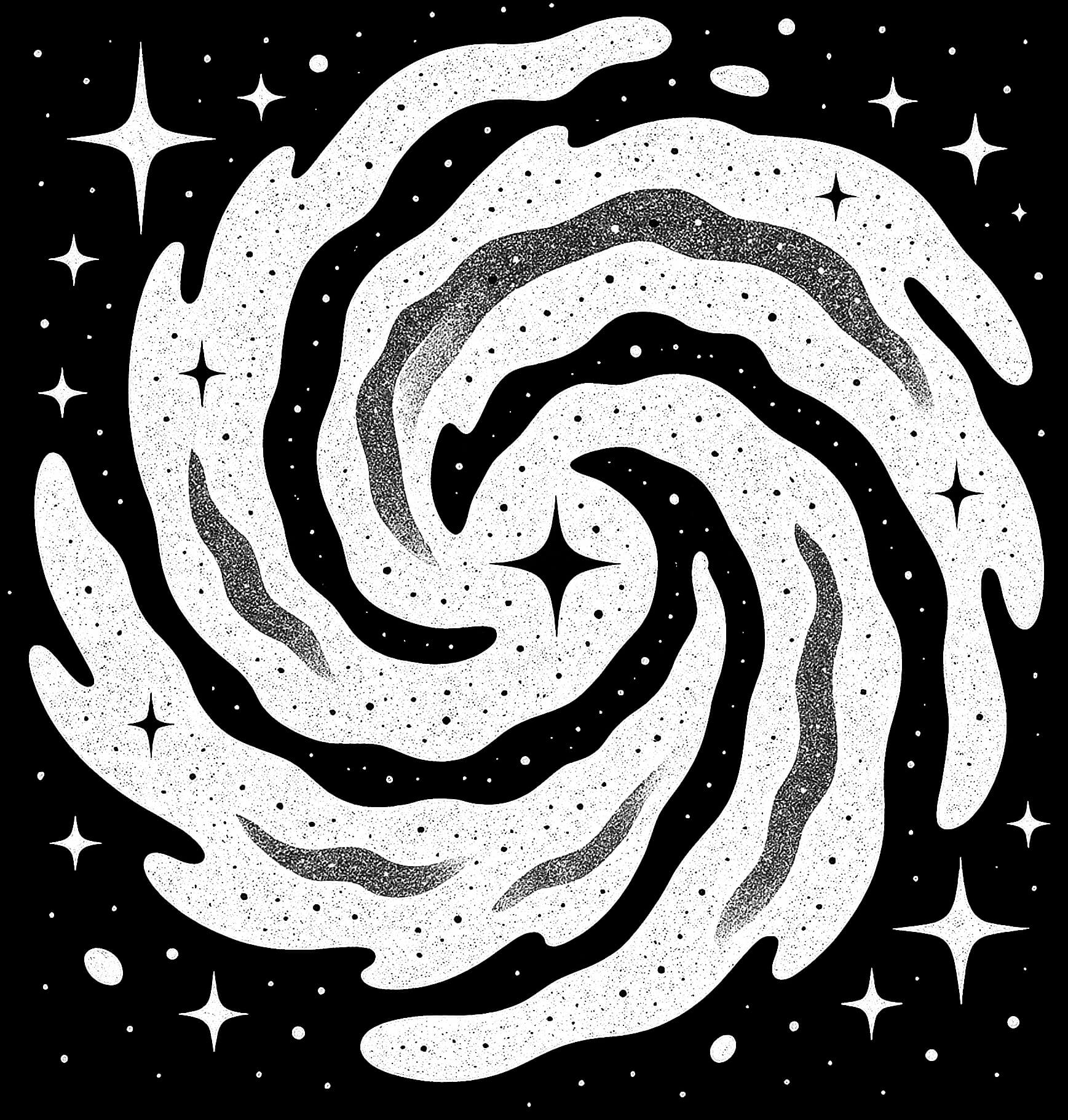
Vignette
Spiral Galaxy
BOOK III
Pigment Turbulence
Iridescent Worlds within Clouds
Digital Media: Particle Systems and Fluid Dynamics
Artisanal Media: Silk Road Miniatures
12
Jewel Eye
Crystallizing the World in Kaleidoscopic Images
13
Seal of Mani
Iridescent Colors as Proto-Pixels
14
Magnetic Icons
Enigma, Pneuma and Spatial Distortions Villa Medici & Vatican Apostolic Library (Rome, Italy)
15
Born in Clouds
World-Making in Myths, Simulations & Cosmology
16
Cosmic Colors
From Pigment Radiation to Pixel Storms
17
Galaxies of Pigments
Dreaming the Cosmos through Clouded Papers
18
Algorithmic Sand Storms
From the Science of the Sand to Galactic Prophecies
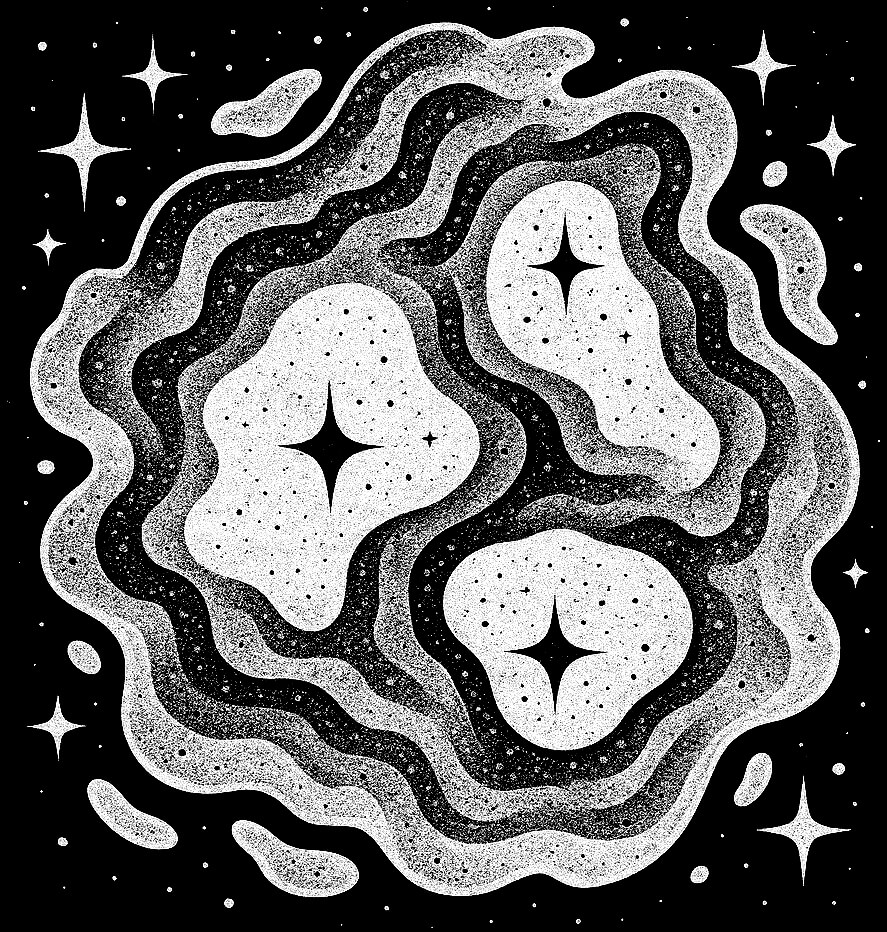
Vignette
Stellar Nursery
BOOK IV
The Crystal Matrix
From Glazed Codes to Digital Mosaics
Digital Media: Augmented Reality and 3D Scanning
Artisanal Media: From African Mosaics to Korean Temples
19
From Mosaics to Pixels
Walking within Simulated Gardens UNESCO Club Volubilis (Carthage, Tunisia)
20
Marbles as Crystallized Clouds
When Geology Becomes Cosmic Meteorology
21
The City as a Star Map
Matrakçı’s Cosmographic Vision of Esztergom
22
The Augmented Flâneur
Walking through Layers of Myth and Code
23
Programming the City of Quartz
From Silica Tiles to Silicon Chips French Institute of Central Asian Studies (IFEAC, Uzbekistan)
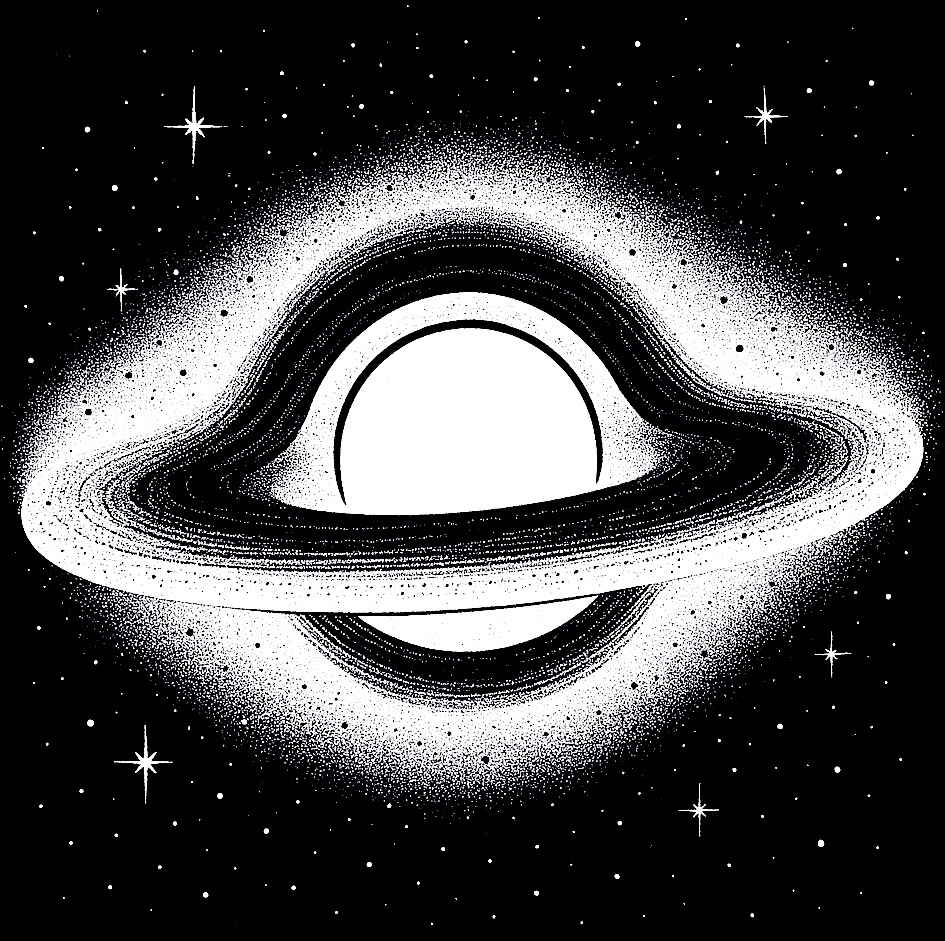
Vignette
Black Hole
BOOK V
Synthetic Minds
Data Becomes Space, Thought Becomes Cloud
Digital Media: Machine Learning and Immersive Web Experience
Artisanal Media: All Studied Silk Road Paintings and Architecture
24
Nebulous Mind of Artificial Intelligence
From Buddhist Cosmograms to Machine Creativity Hanyang University (South Korea)
25
Dream Pixels Archive
Cosmic Journeys within Neural Clouds
General Conclusion
26
A Cloud Atlas
From Curly Clouds to Atmospheric Thought Paradigm Recap
27
Spiral of the Cloud
Re-entangling Cosmos and Civilization Speculative Conclusion
28
AI, Our Final Myth
Epilogue
Bibliography