within Clouds
Jewel Eye
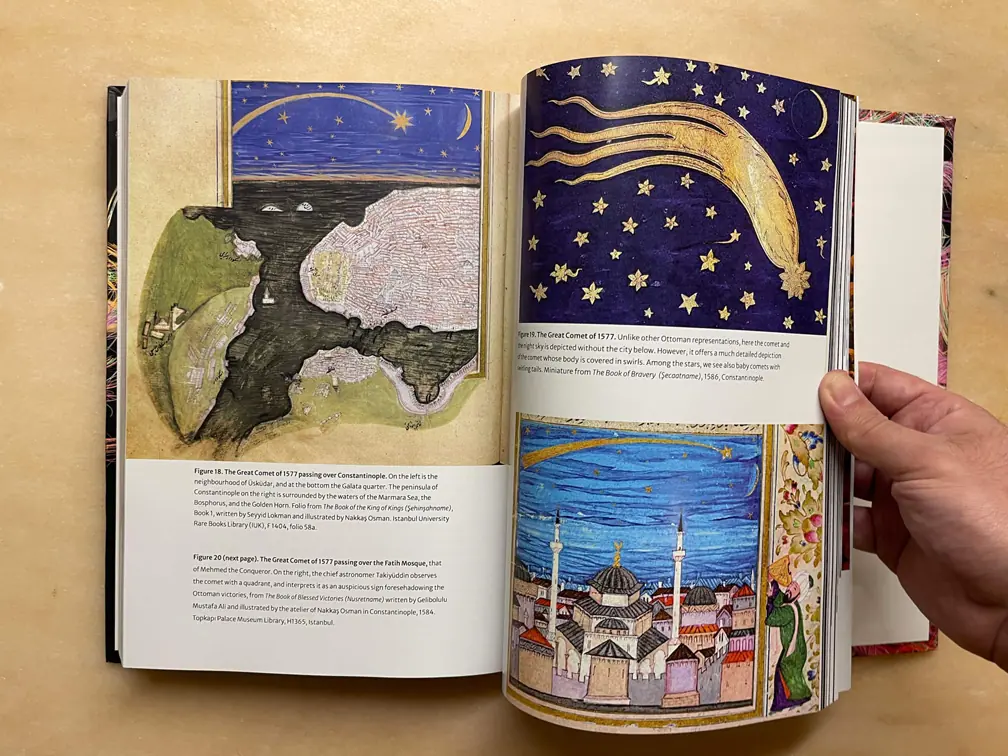
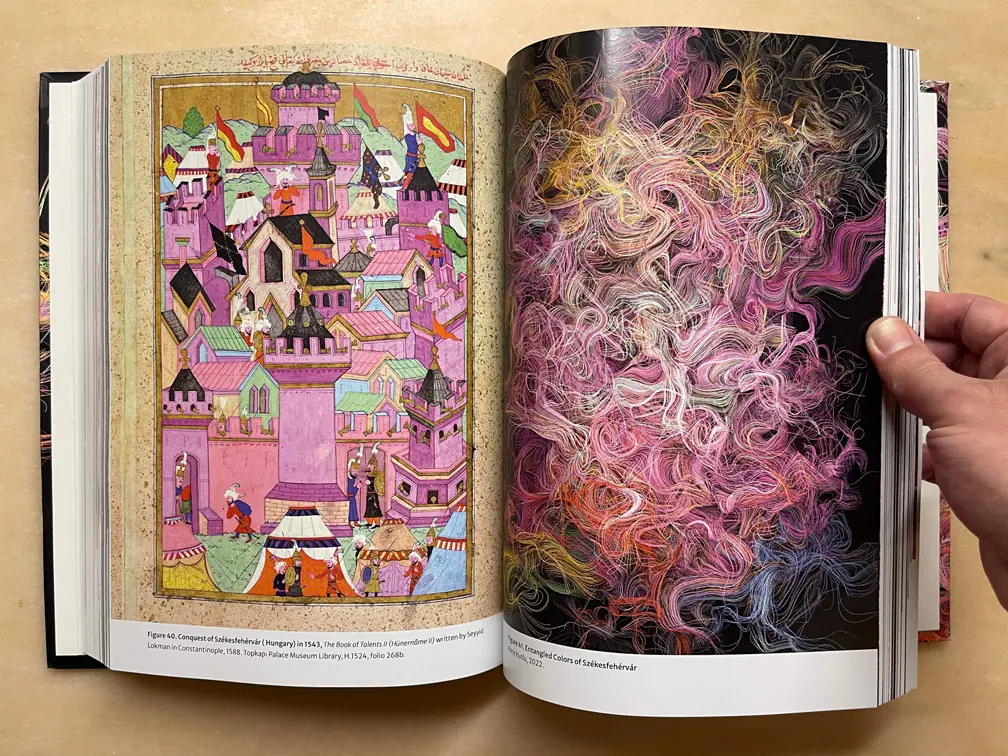
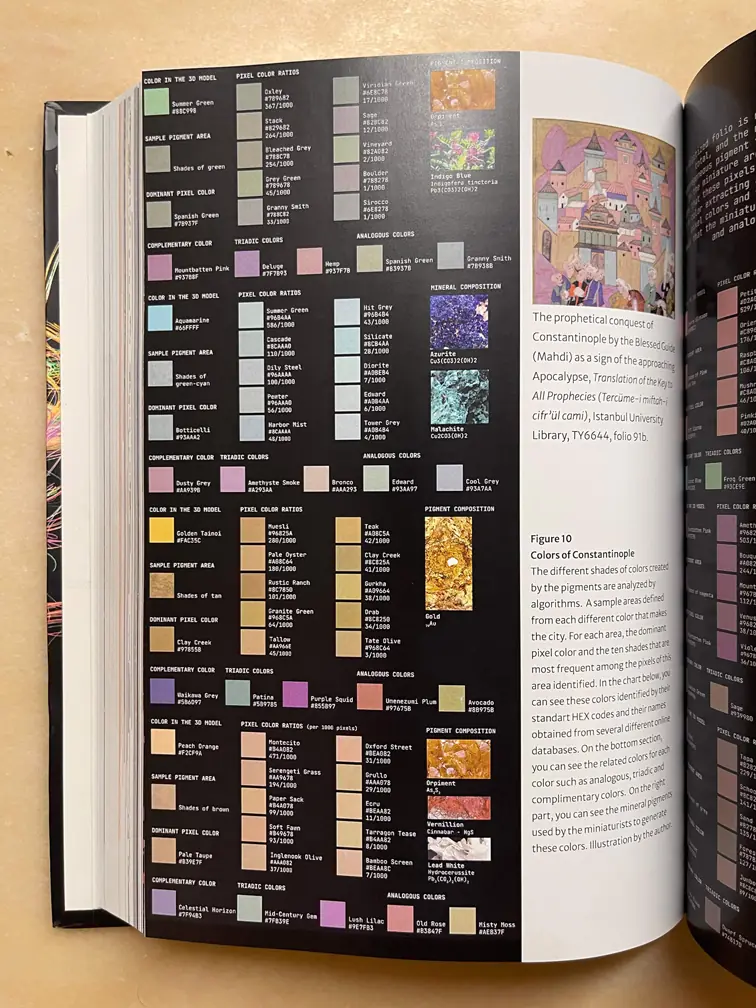
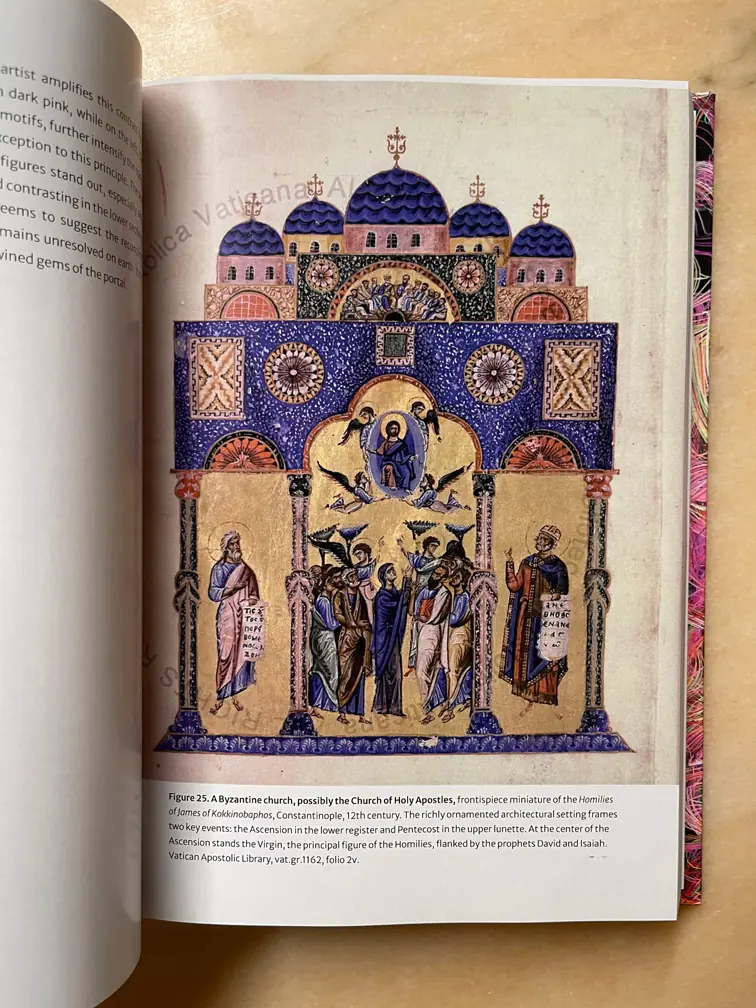
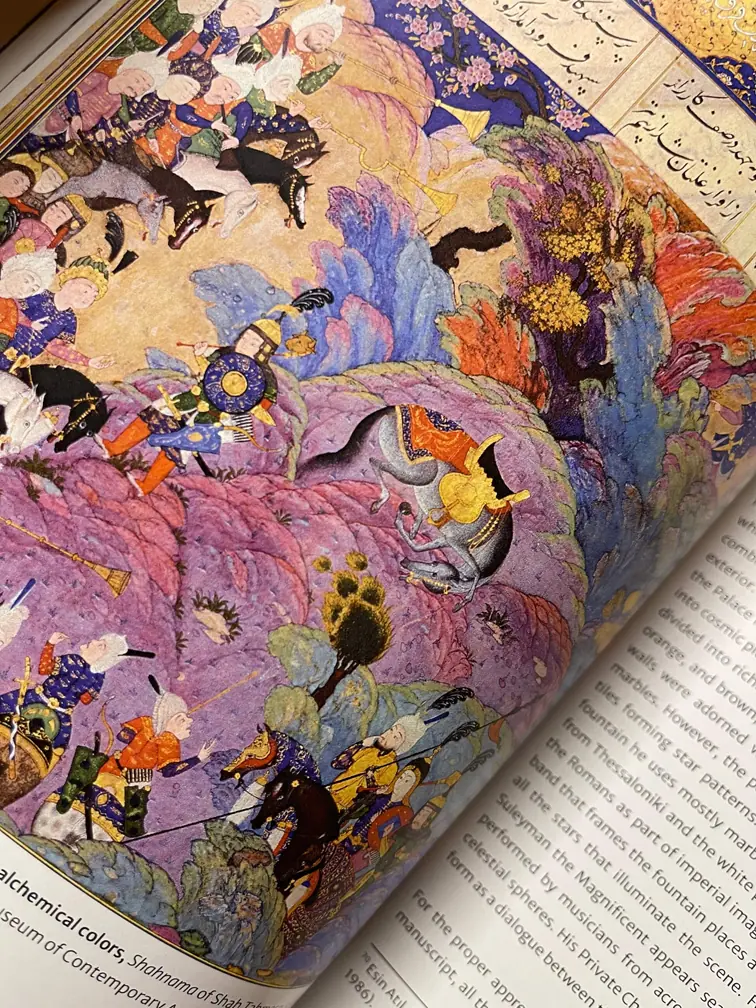
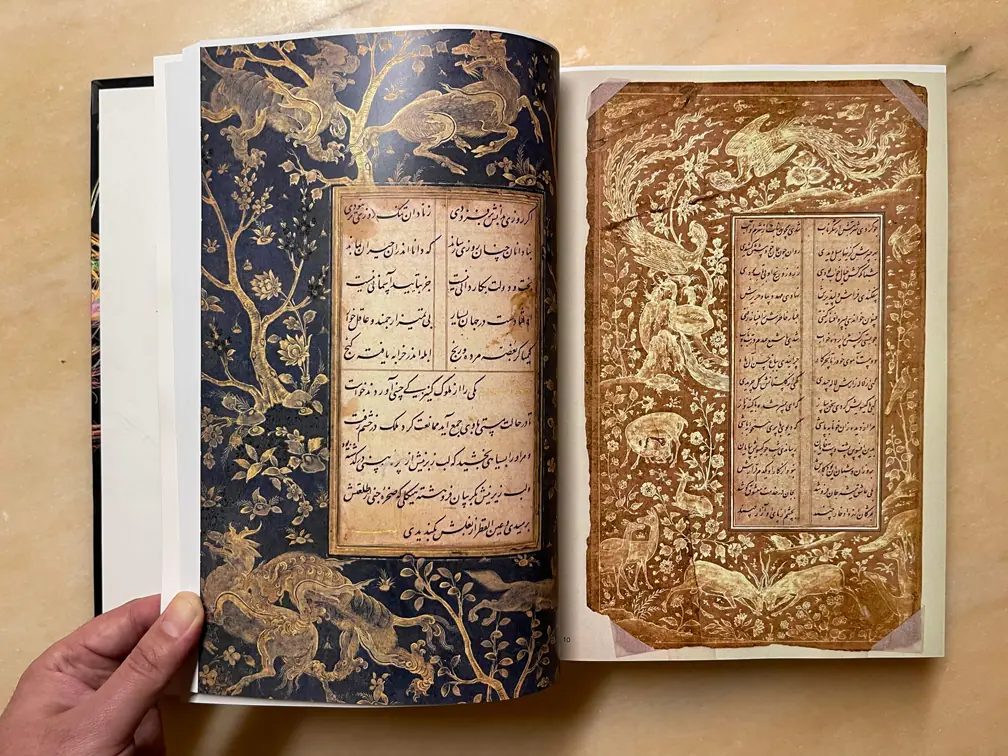
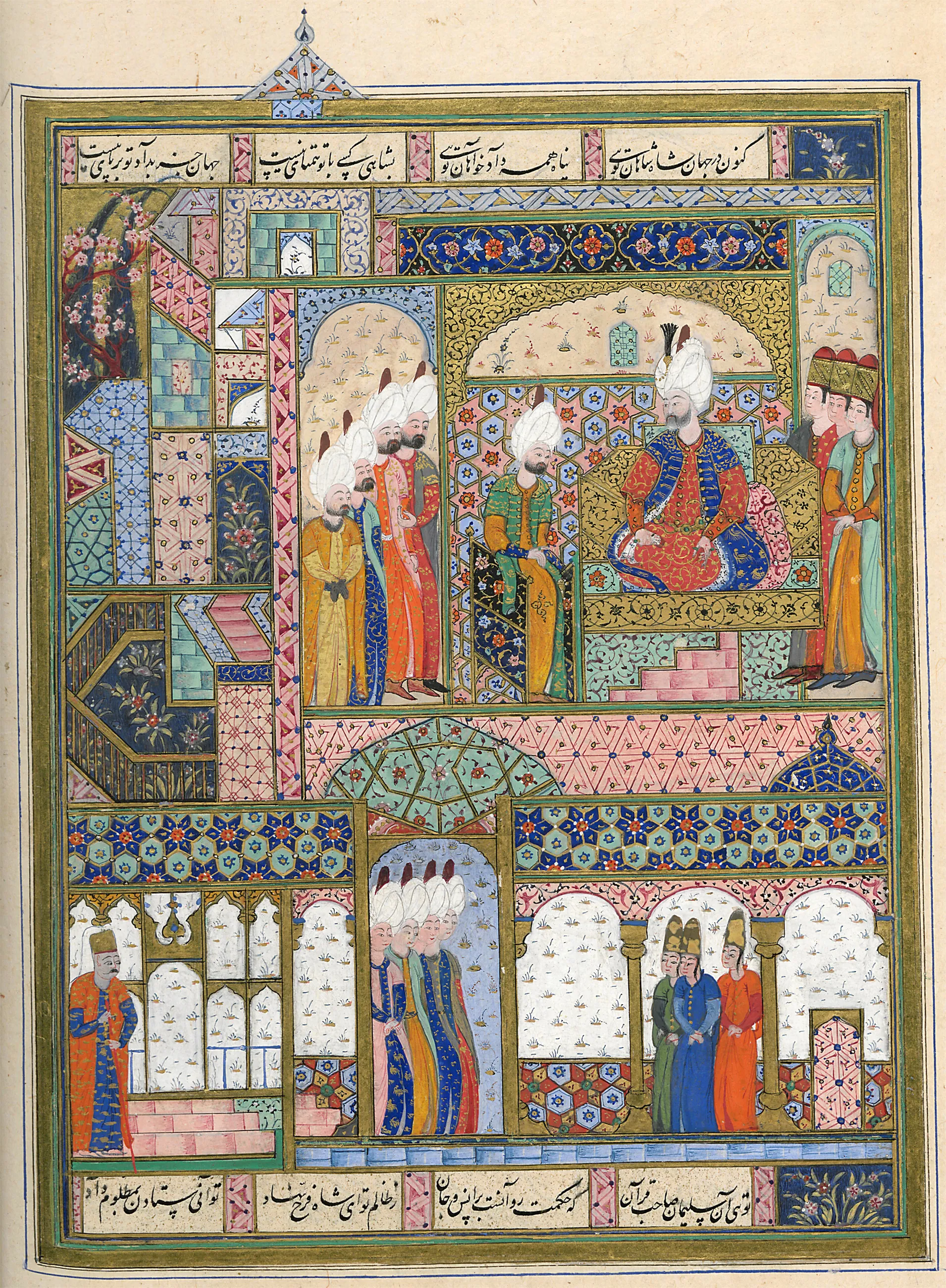
In the Turkish miniature, the world was seen through a gemmed eye that crystallized all it perceived. If the Italian painter held a mirror to nature, the miniaturist held it to the stars, imagining artistic creation as reflections across a series of mirrors between the heavens and the painter’s mind. By sprinkling gold and polishing pigments, they simulated images of pure light. Long before the transition from pigments to pixels, they had already created luminous images freed from material gravity. These colors without substance functioned as proto-pixels. The radiant folio, conceived as a polished mirror, anticipates the digital screen. Our images were once carried by angelic light, now by electronic currents.
The Seal of Mani
This vision was initiated by Mani, the third-century “Messenger of Light,” whose illustrated manuscripts once defined artistic excellence along the Silk Road. Mani imagined the universe as a struggle between an angelic world of light and a material world of darkness. His paintings construct a realm of pure radiance, a space without depth, weight, or shadow. At the center of this vision lies the principle of iridescence, expressed through the figure of the chameleon.
Magnetic Icons
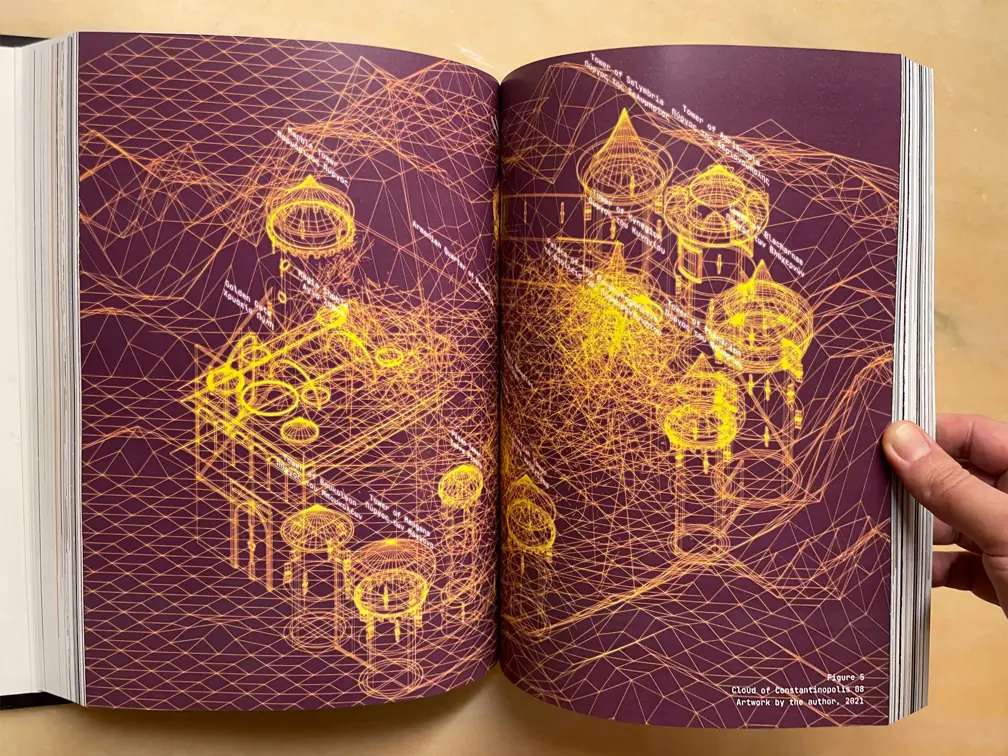
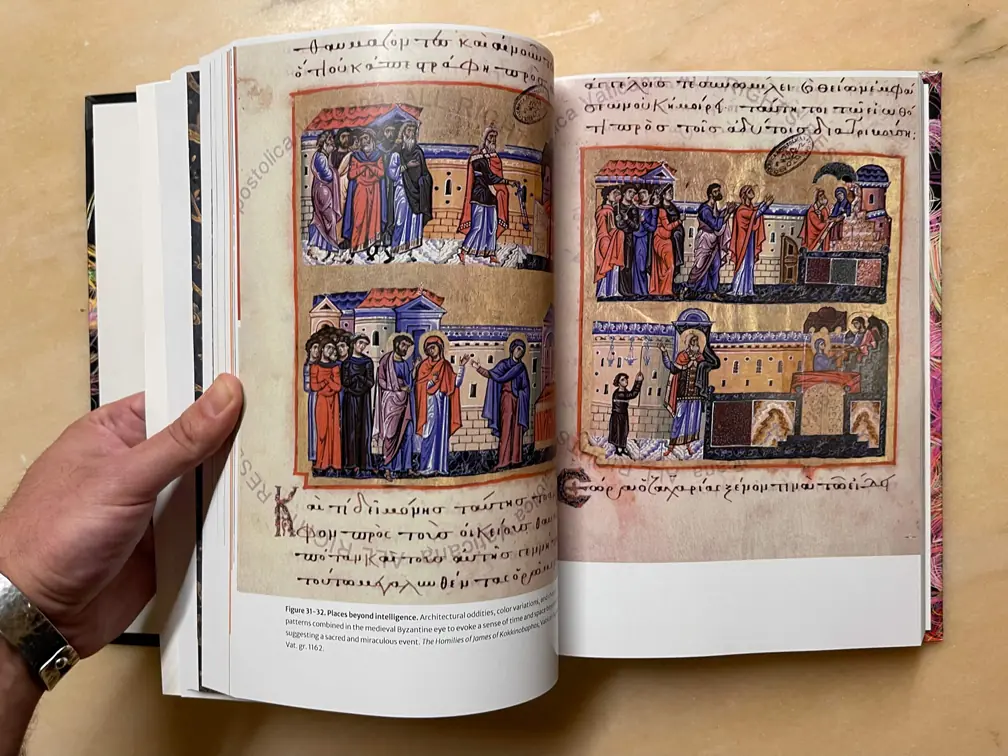
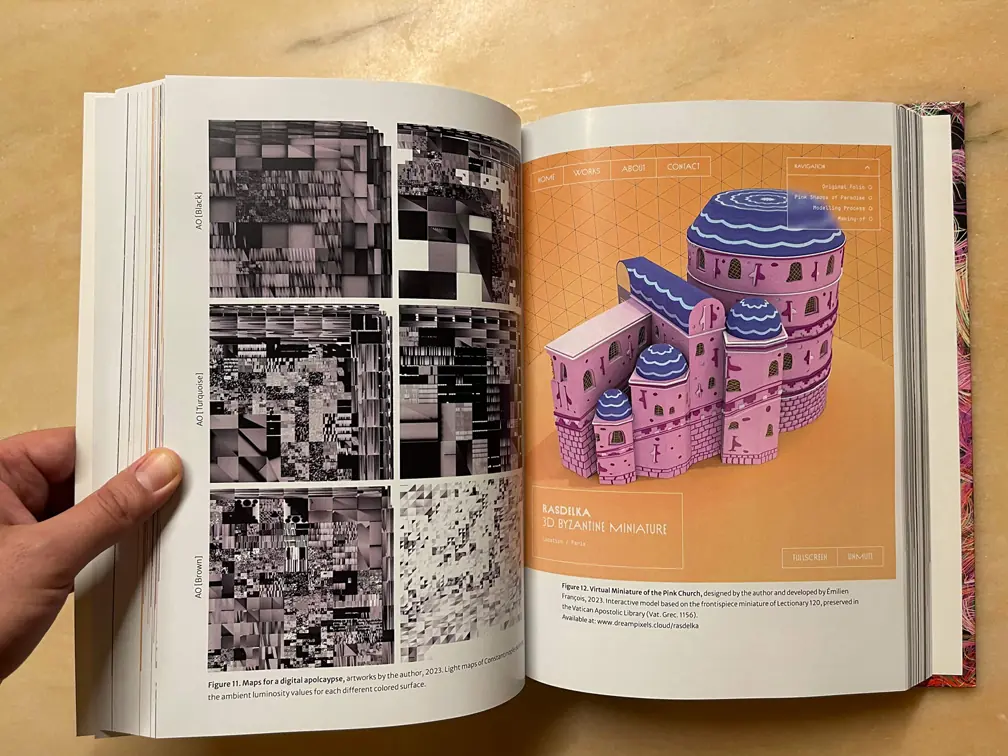
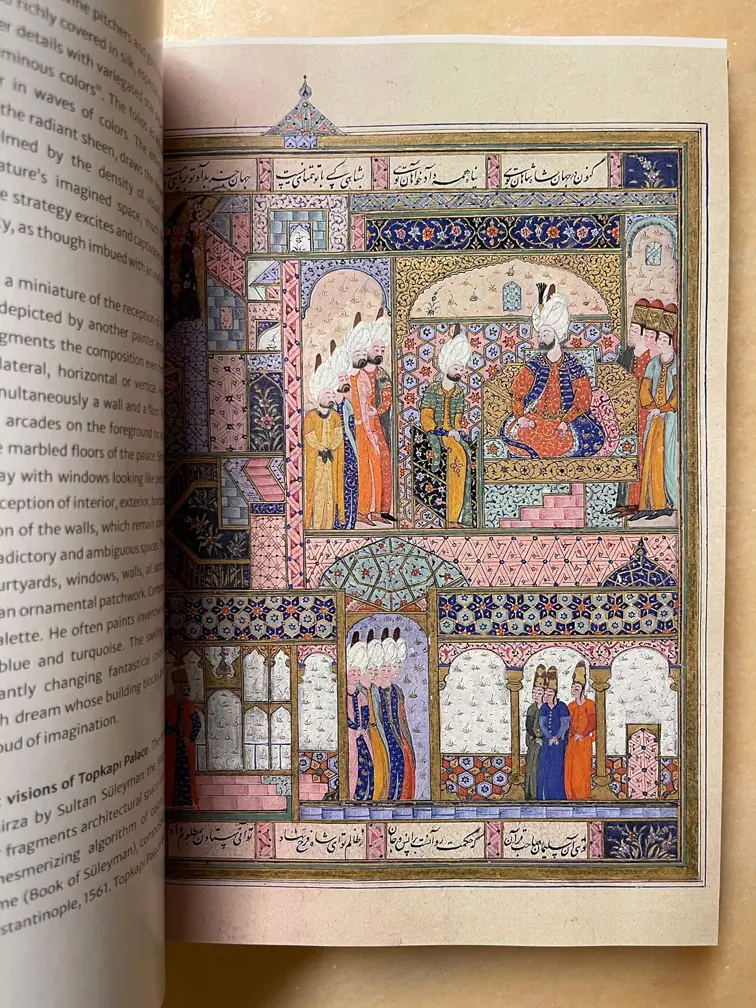
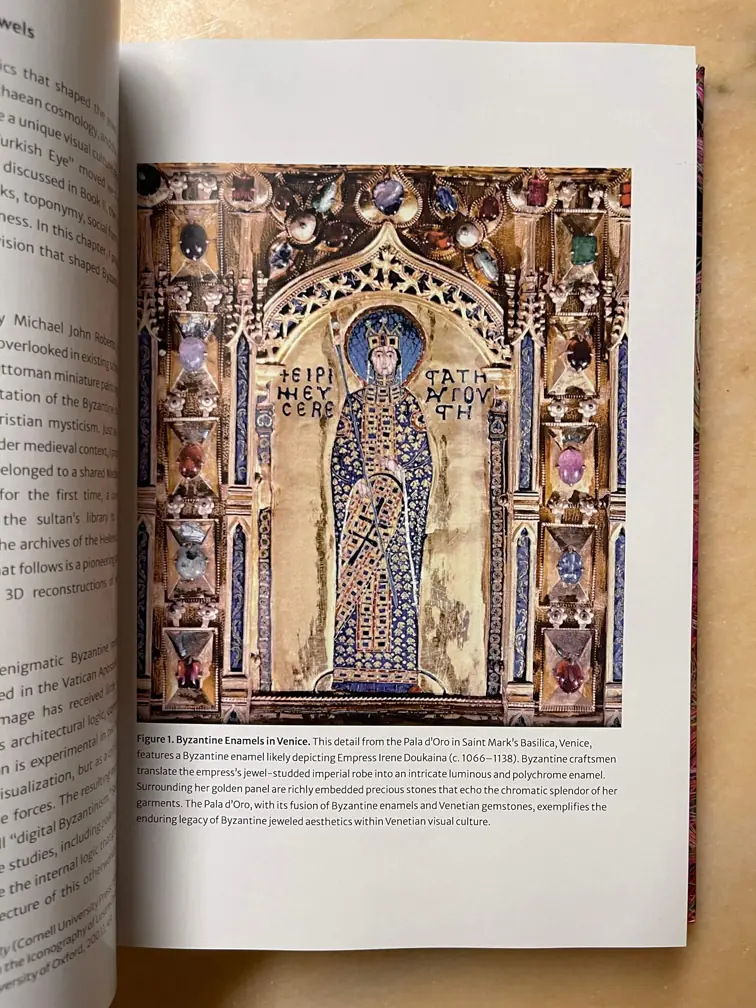
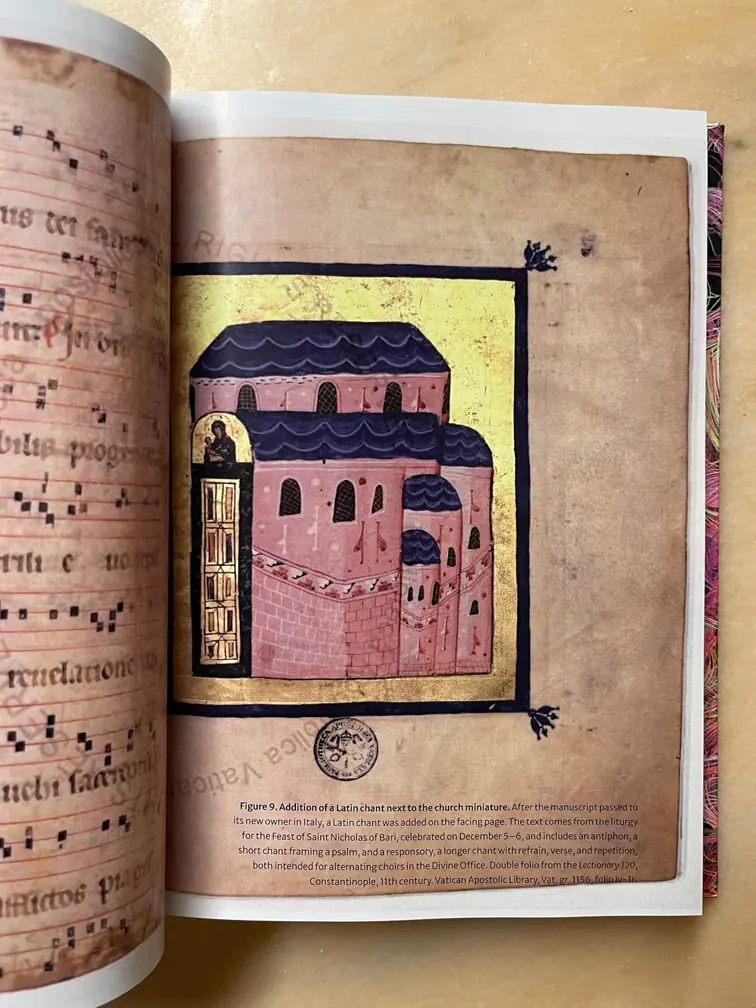
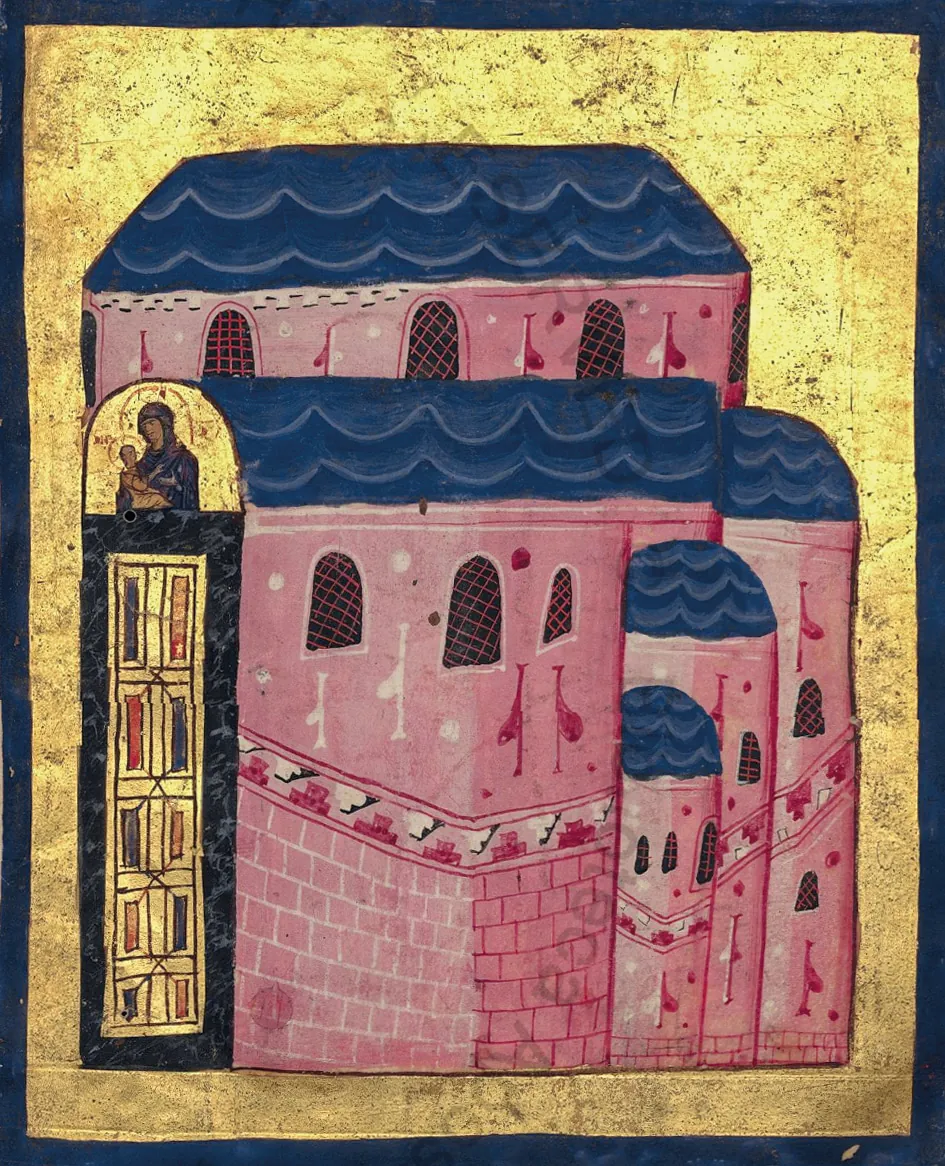
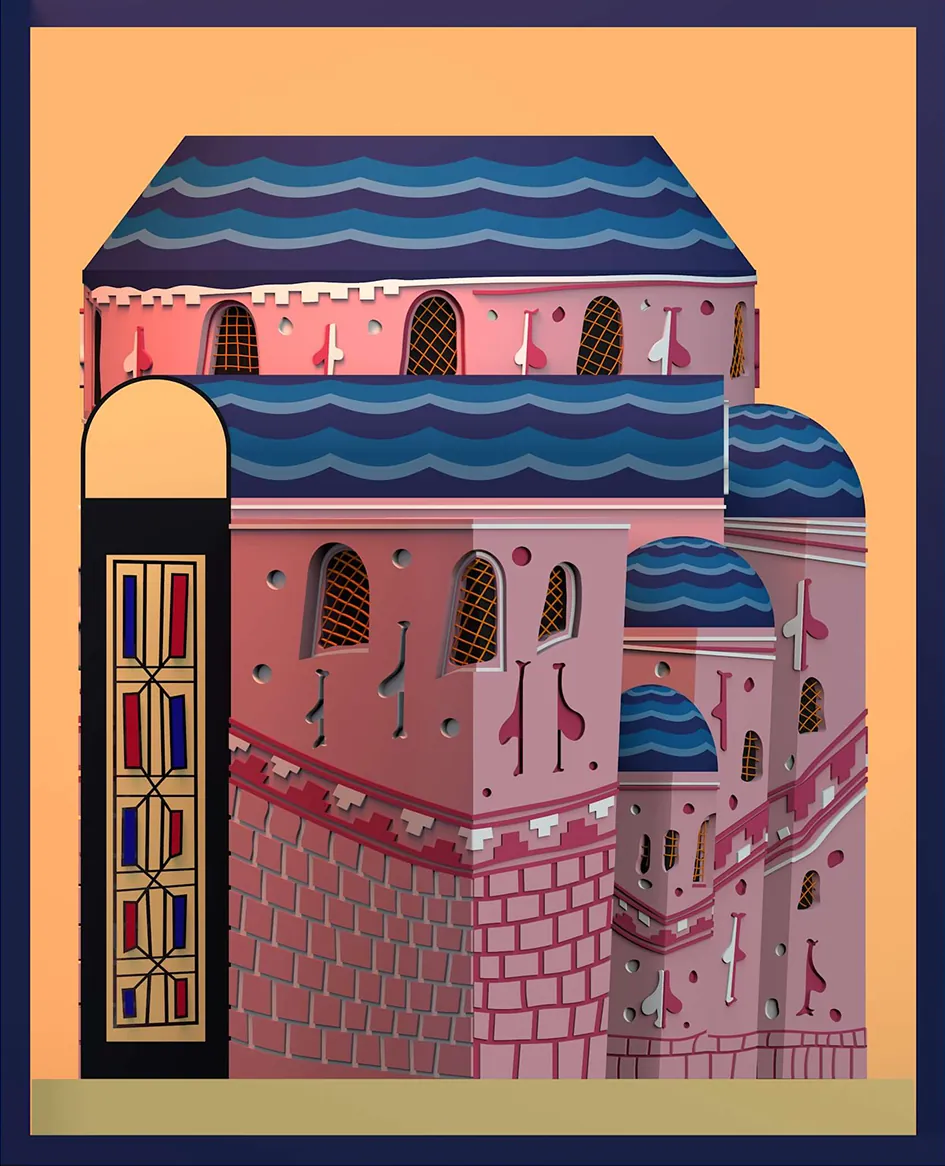
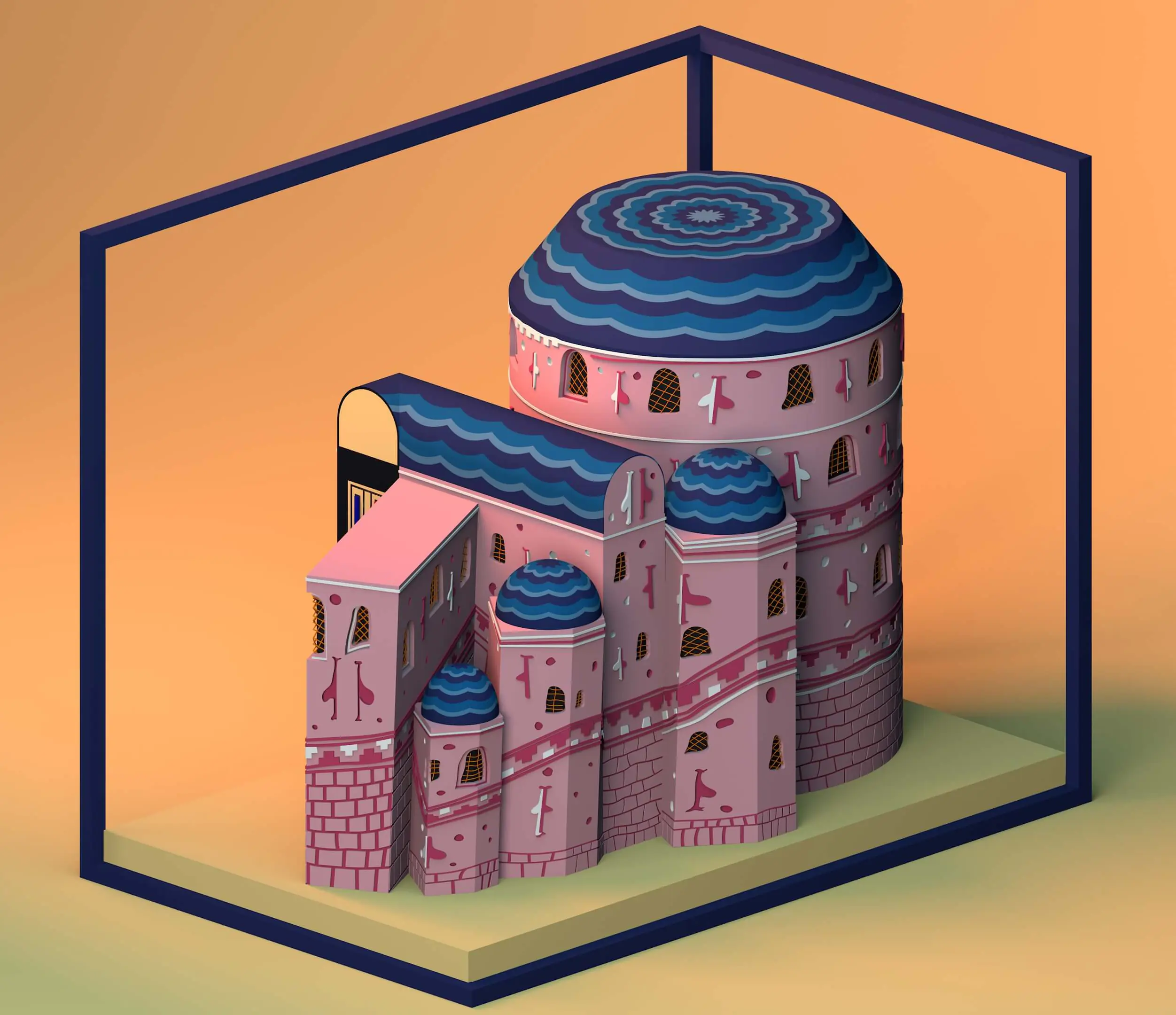
The Ottomans blended this shimmering vision with the jeweled aesthetics of Byzantium. By connecting the archives of Venice with the collections of Topkapı Palace, this research reveals previously overlooked artistic exchanges. Through 3D reconstructions, I analyze how pneuma, the divine breath, produces spatial anomalies in miniature painting. This force appears as the chaotic veining of marble, the shifting colors of buildings, or their radical distortions. By reconstructing the “impossible” columns of the Temple of Solomon in 3D, I demonstrate how painters bent space itself to render the invisible presence of the spirit visible.
Born in Clouds
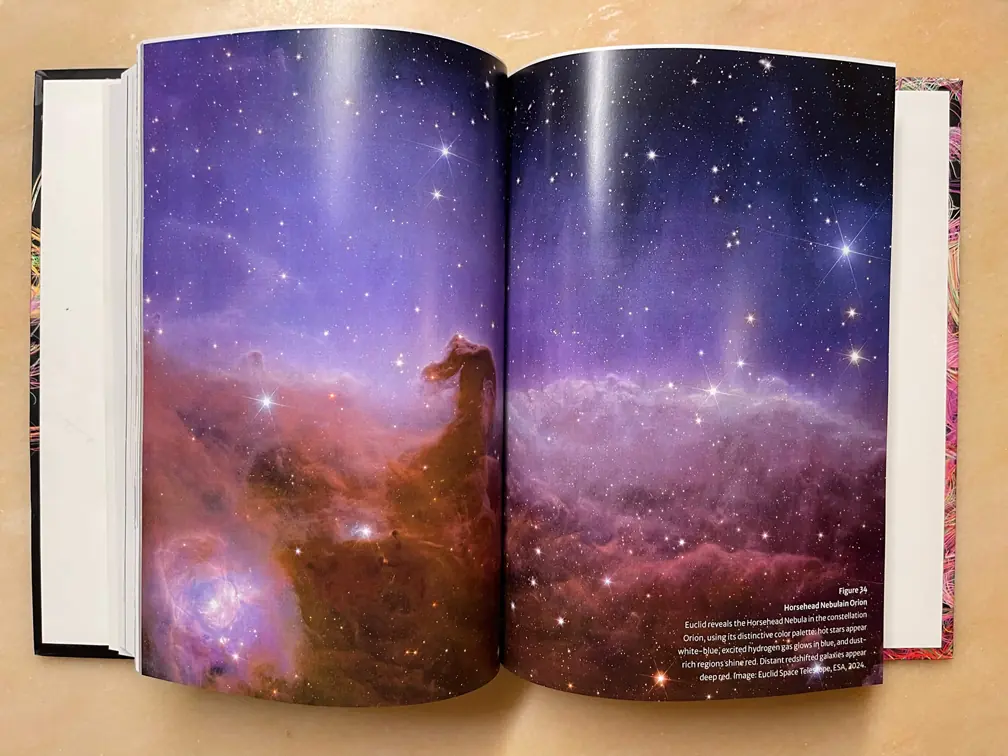
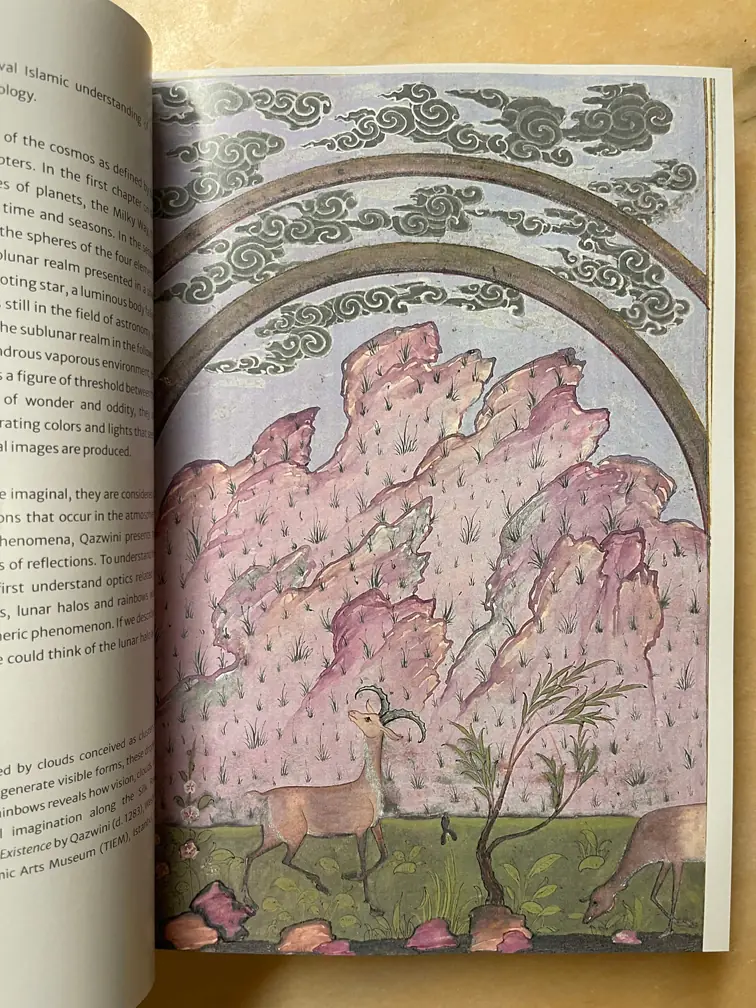
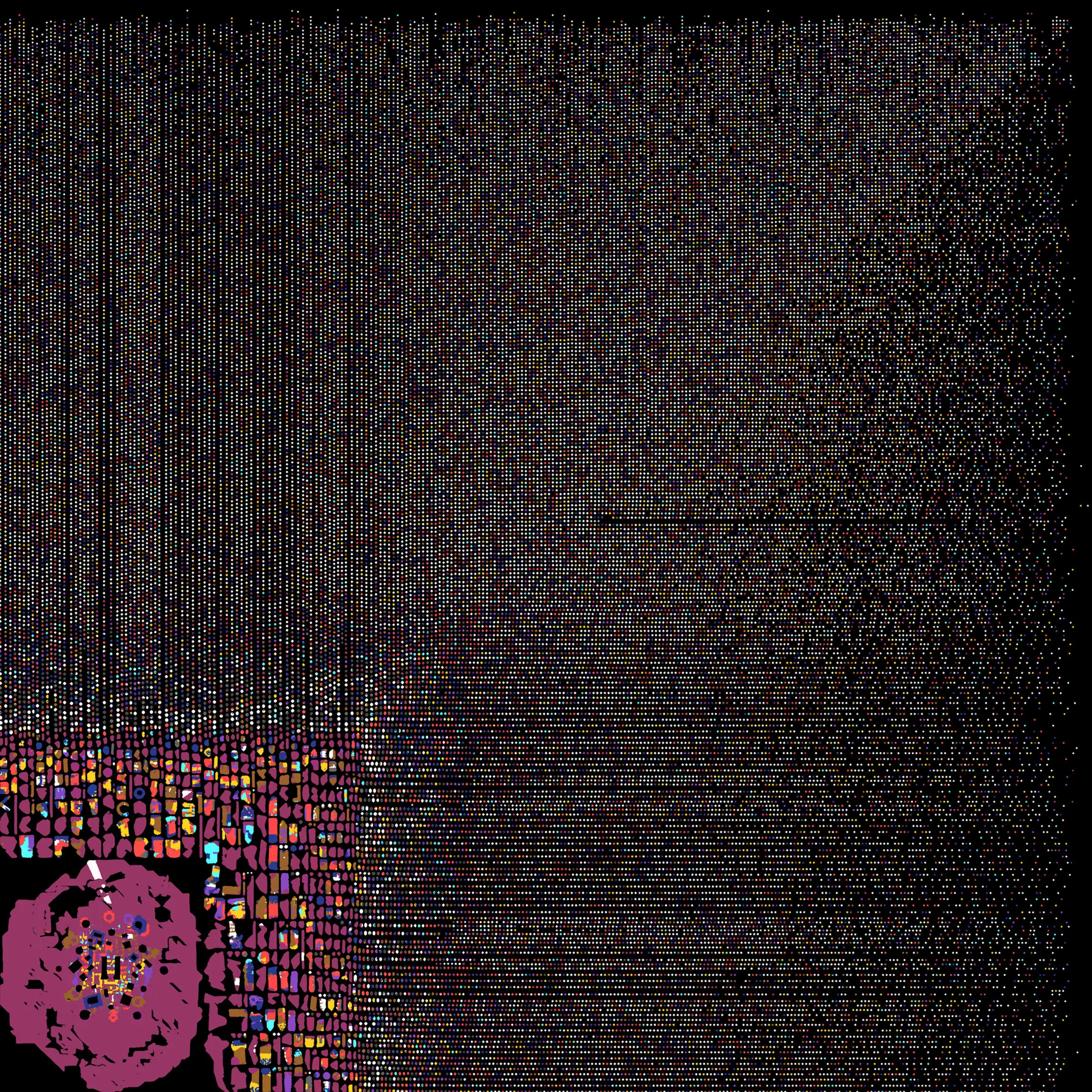
Whether in virtual worlds, mythology, or modern cosmology, structured universes emerge from amorphous clouds. At the origin of Ottoman architecture stands the primordial storm of creation, where vapors and winds condense into planets and stars. Modern astrophysics proposes a similar turbulent narrative through cosmic radiation and nebular formation. In digital culture we likewise generate virtual worlds from algorithmic clouds known as noise textures. Through immersive experiments with miniature painting, this research explores a collaboration with algorithms that often exceed human understanding. The result is a form of design beyond intelligence, where we work with patterns governed by logics different from our own.
Cosmic Colors
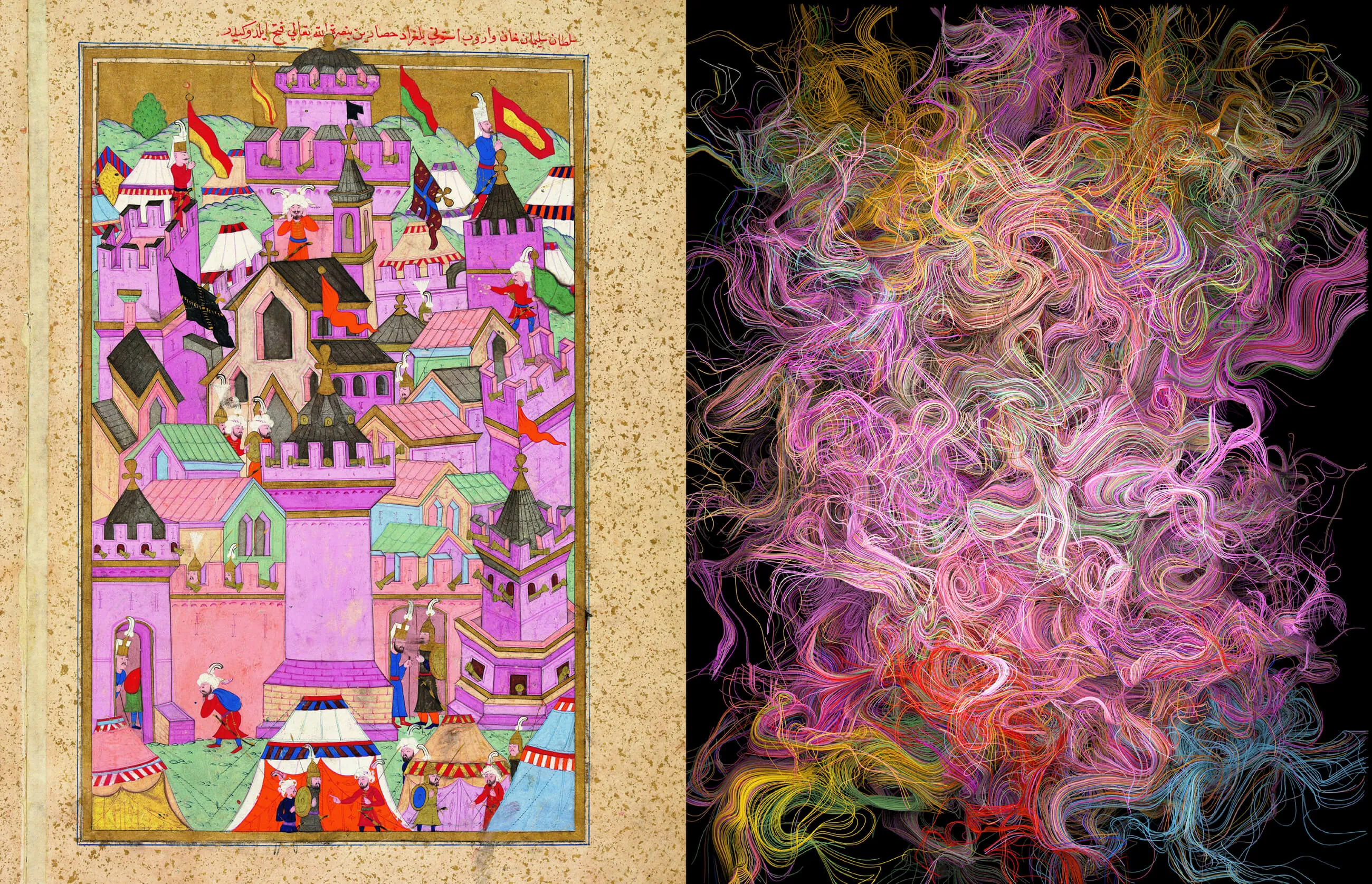
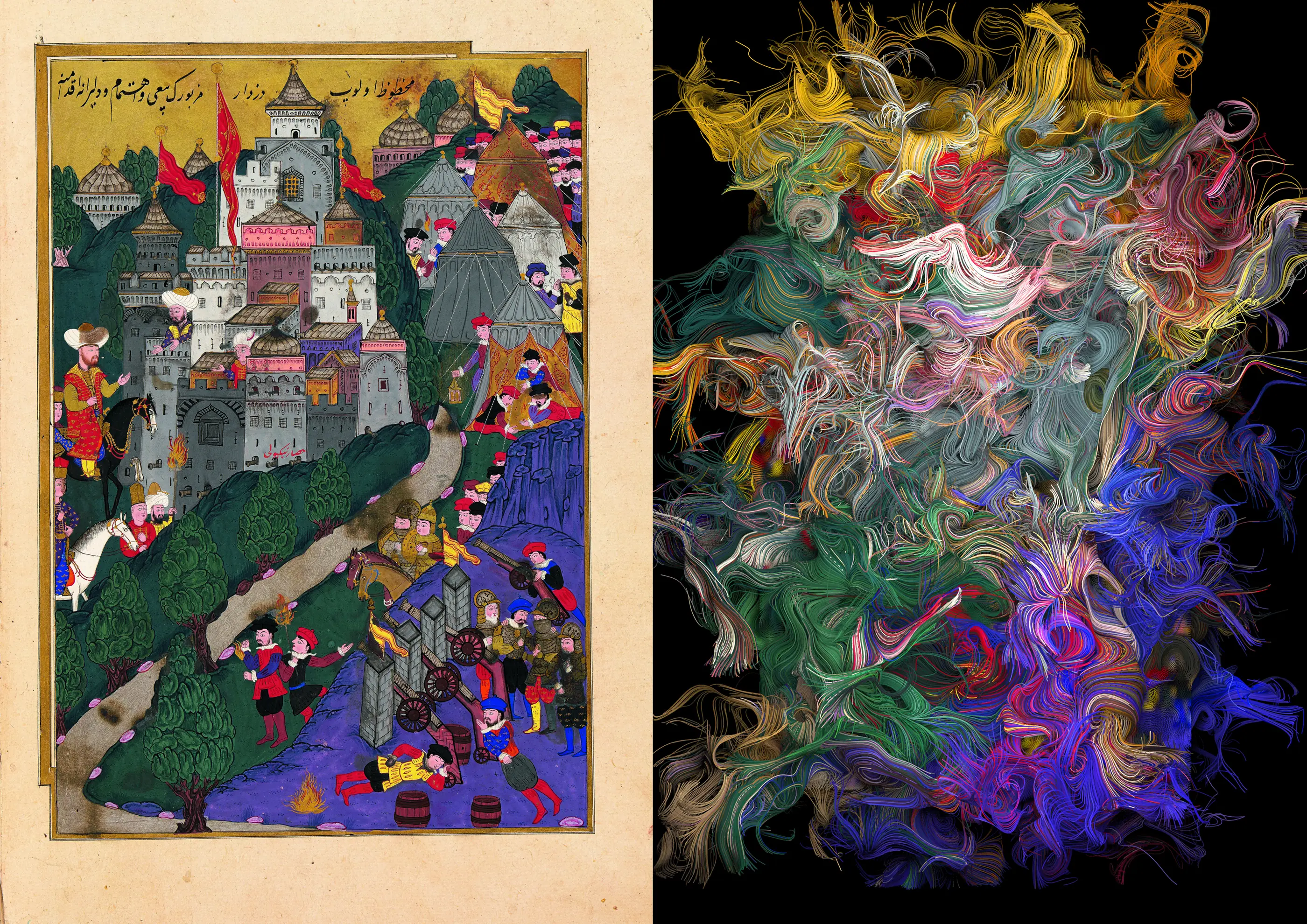
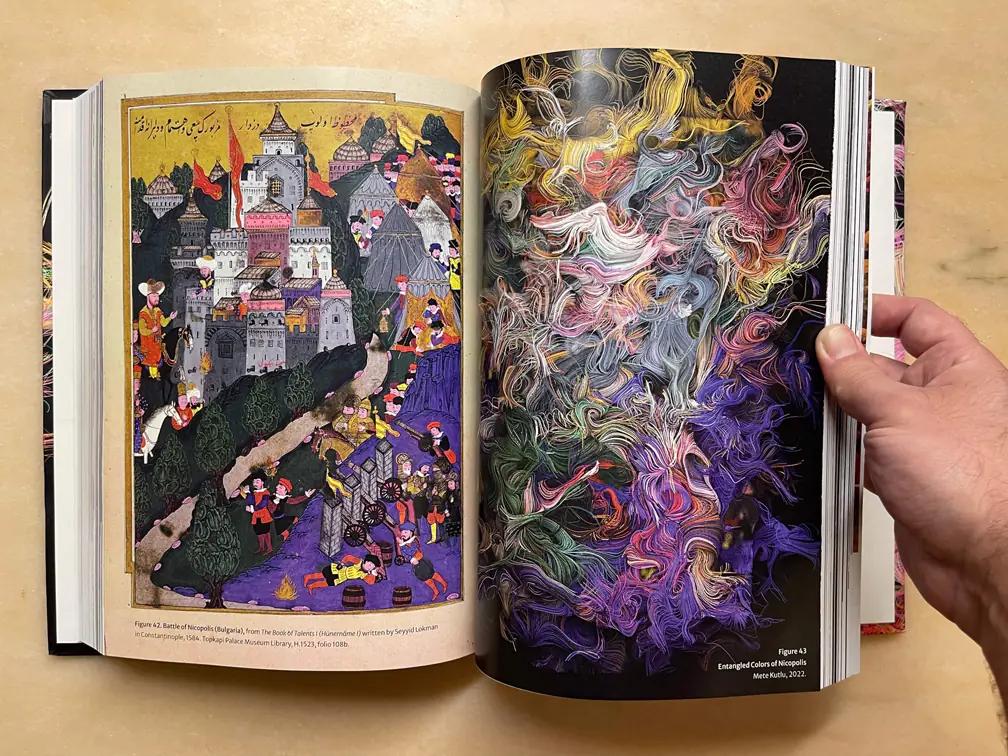
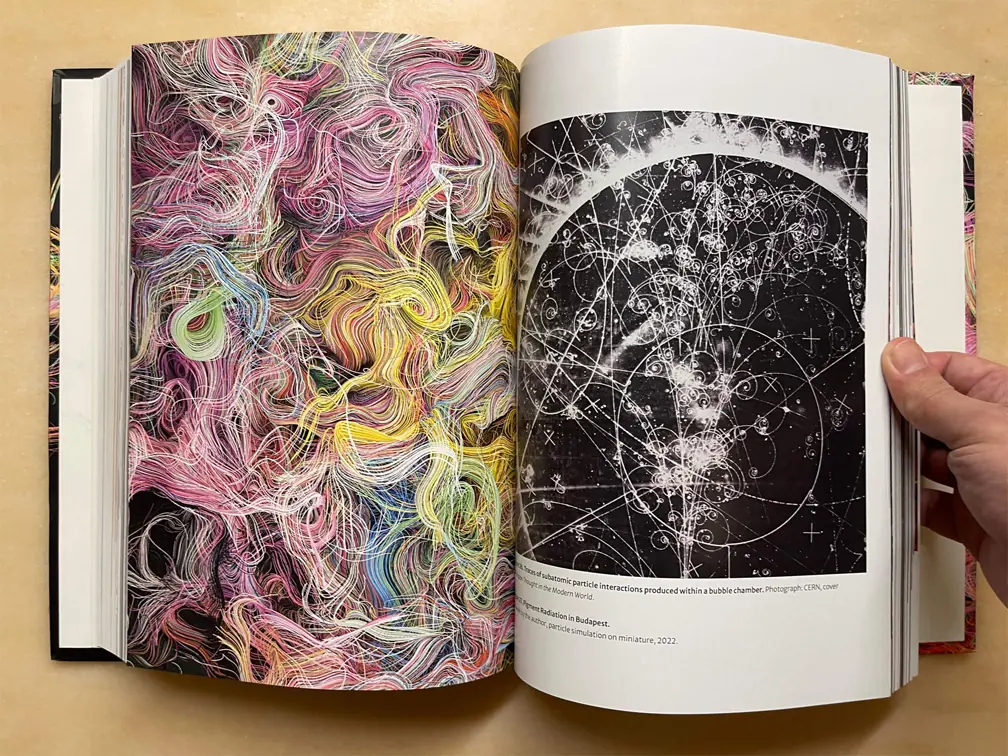
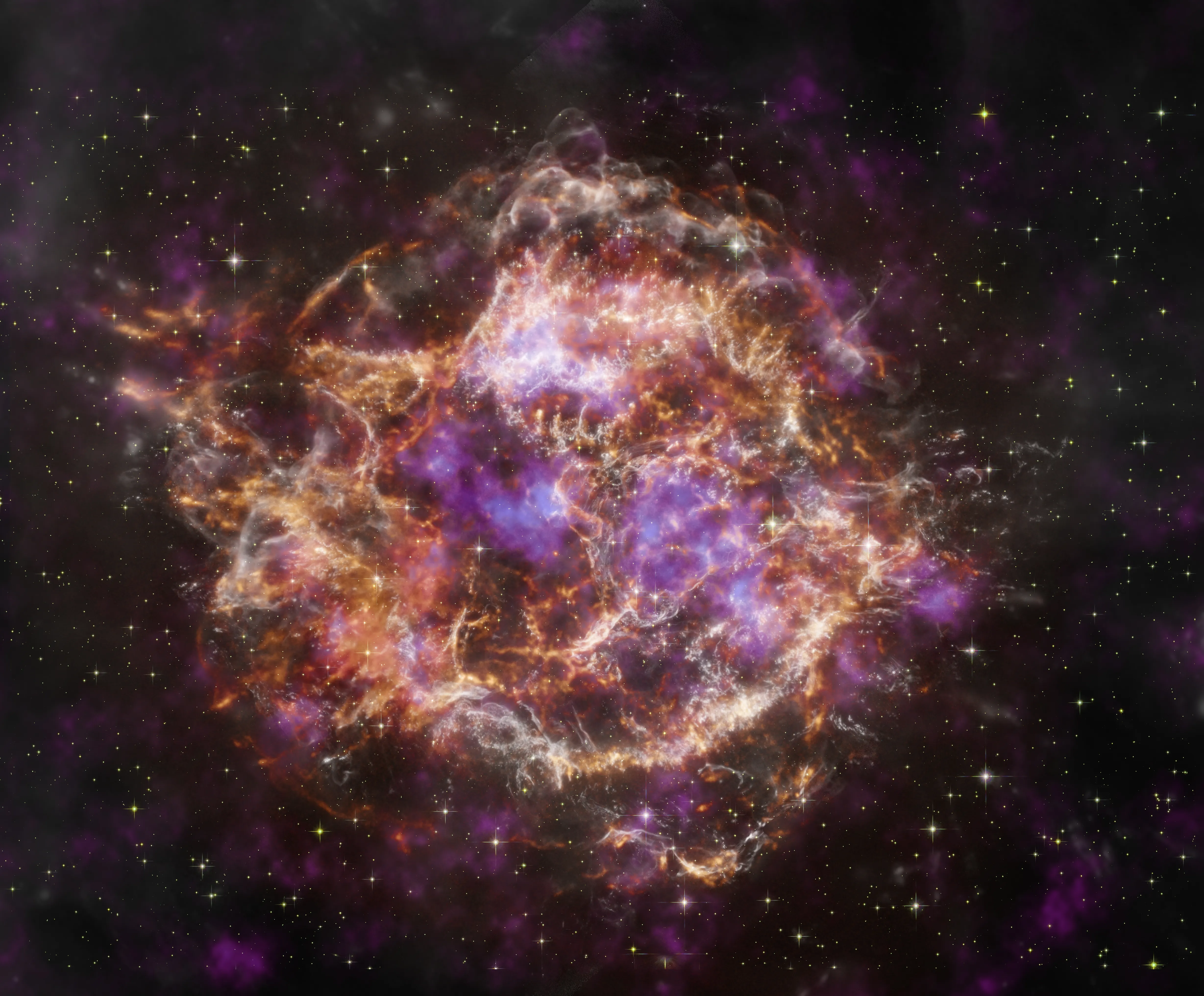
Artificial intelligence revives the sense of enigma that the medieval eye once perceived in nature. Computational complexity produces a “black box” effect in which we interact with visual systems that resist complete interpretation. Using noise-based simulations, I transform miniature paintings into algorithmic clouds of color. These works draw on Brownian motion, the random movement of microscopic particles described by Einstein, to simulate a cloud chamber. Once the painter captured celestial colors from an imaginary cloud, now the astrophysicist captures cosmic radiation within physical cloud chambers.
Galaxies of Pigments
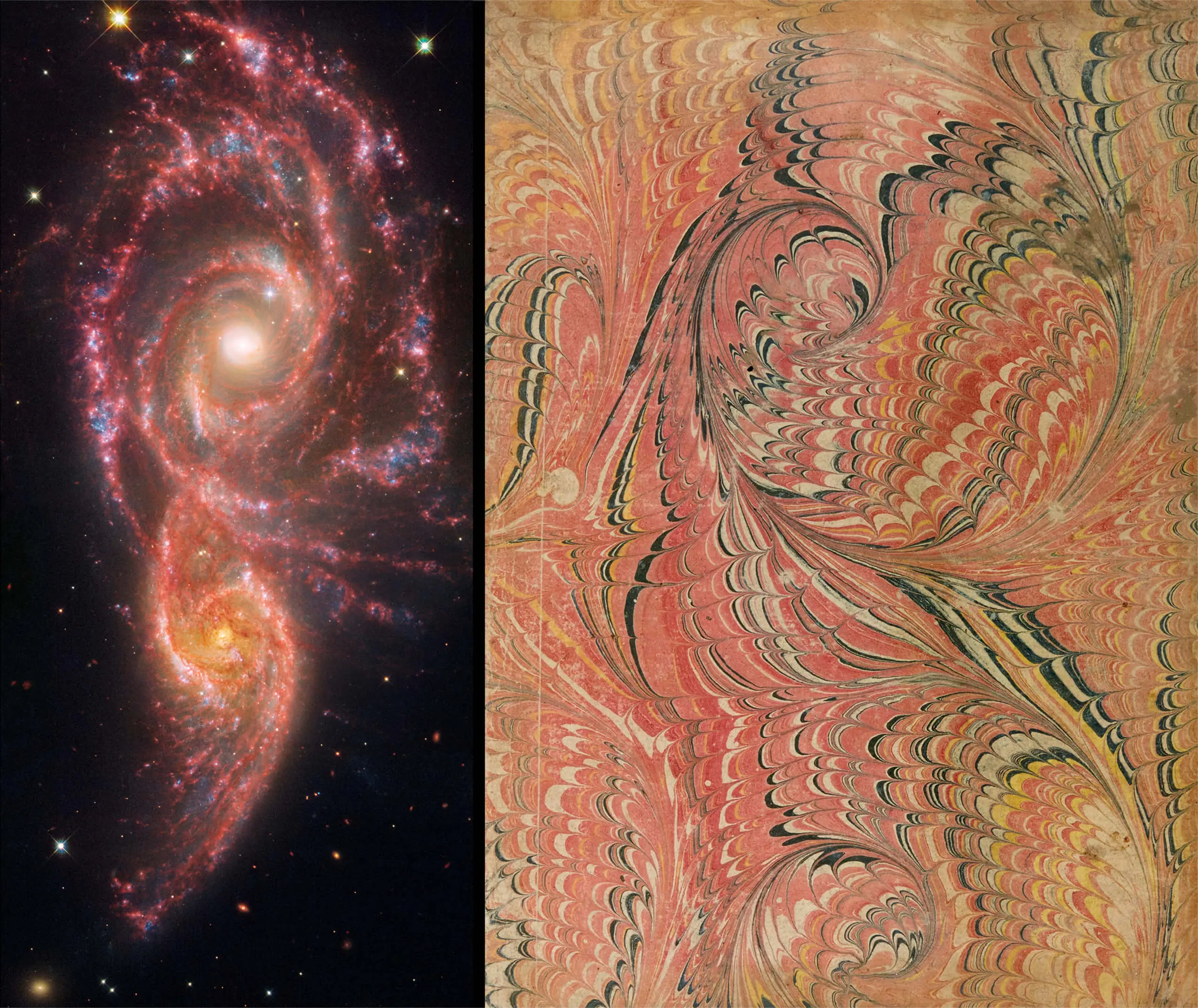
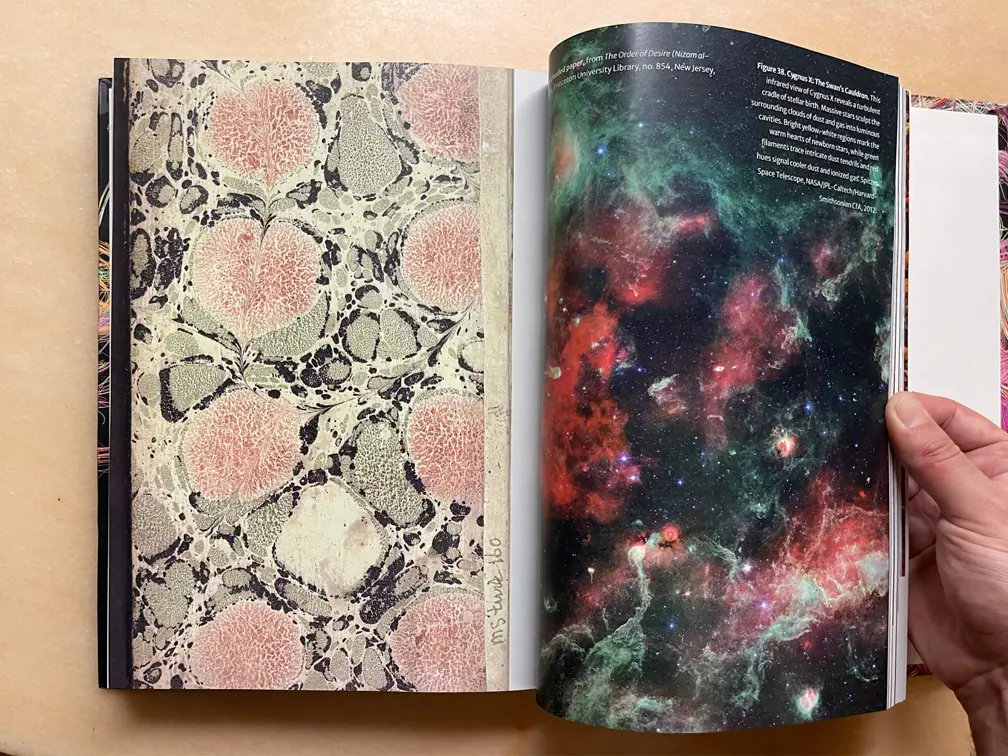
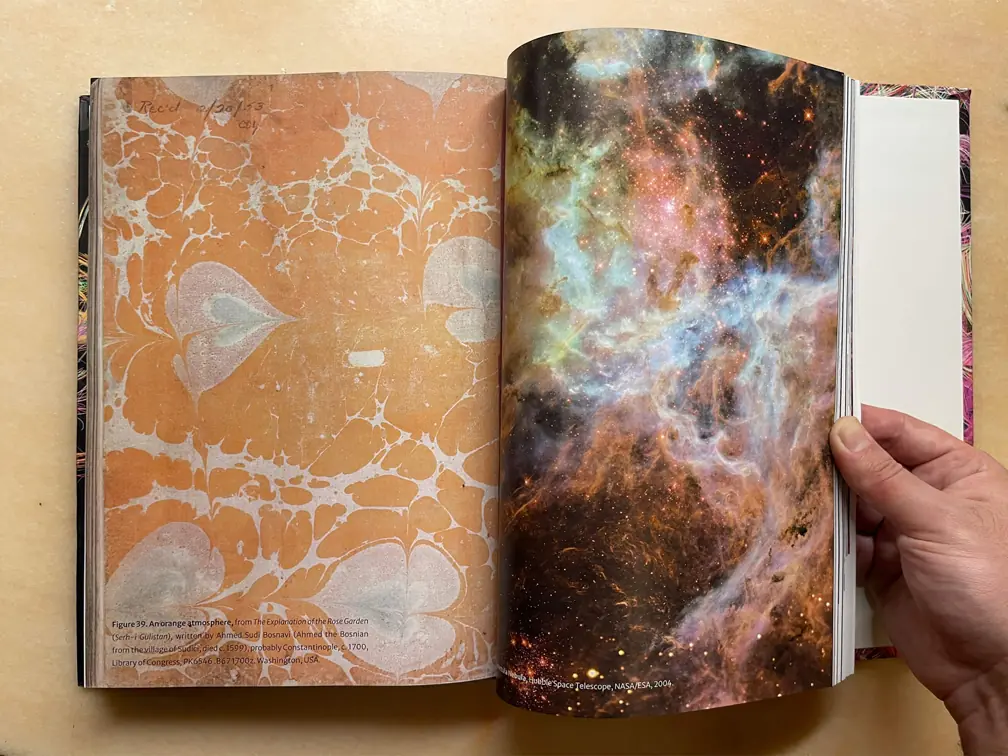
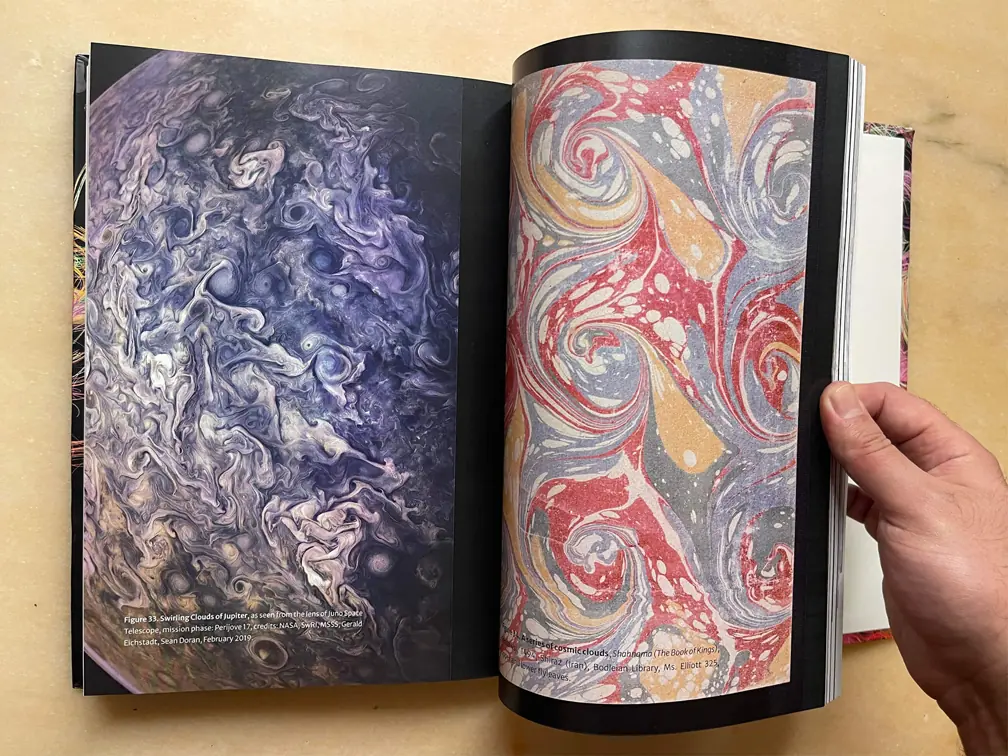
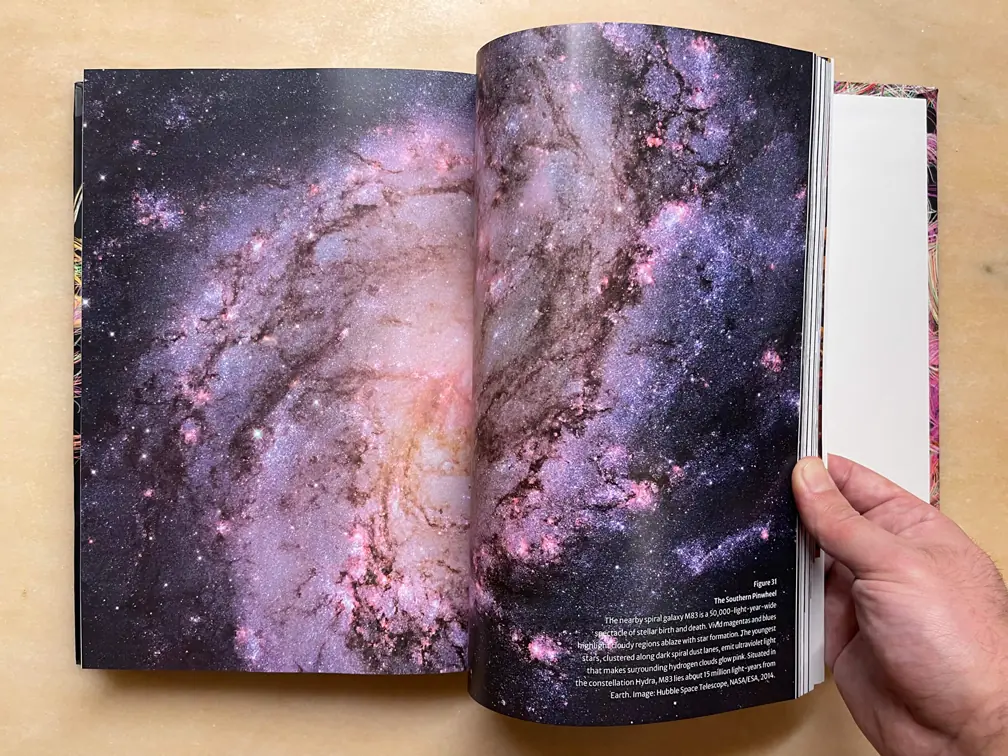
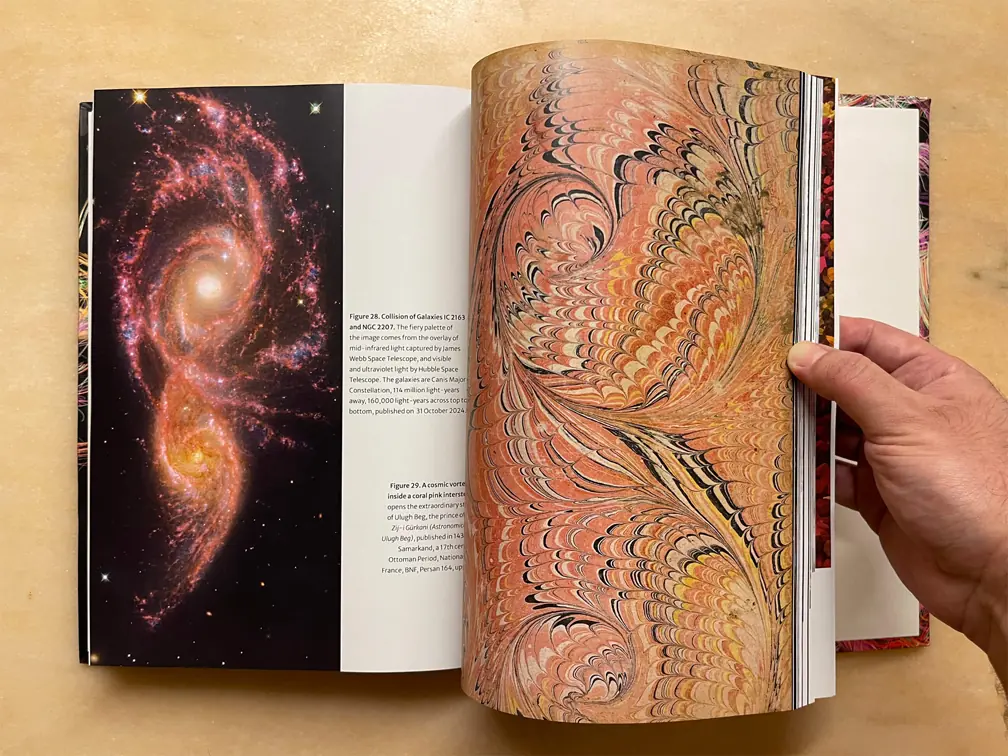
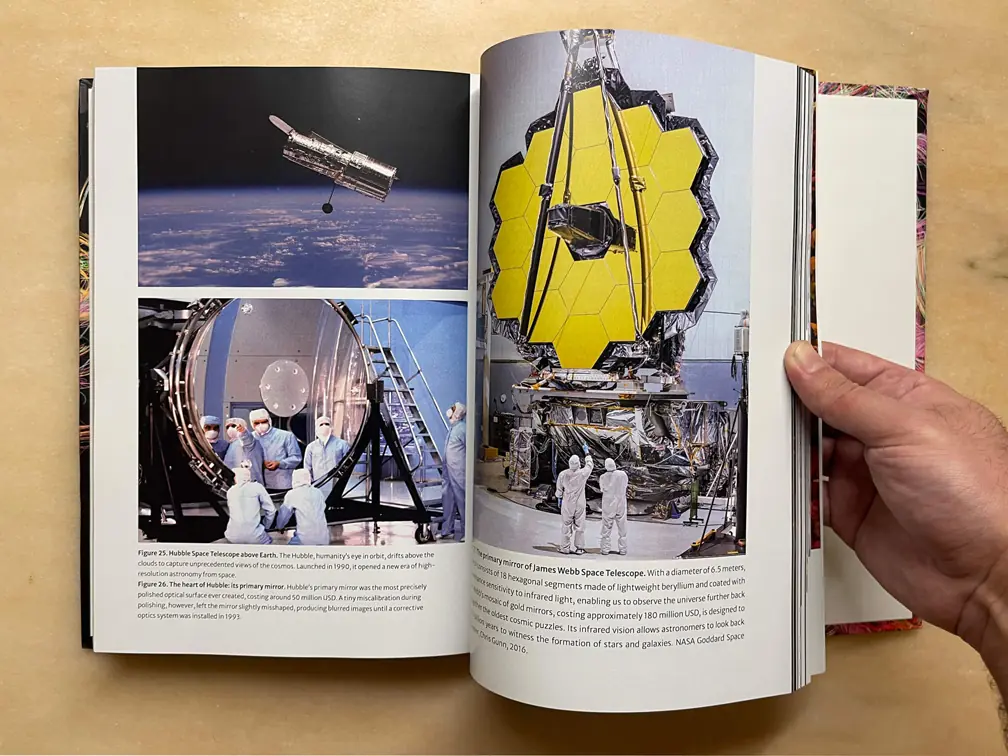
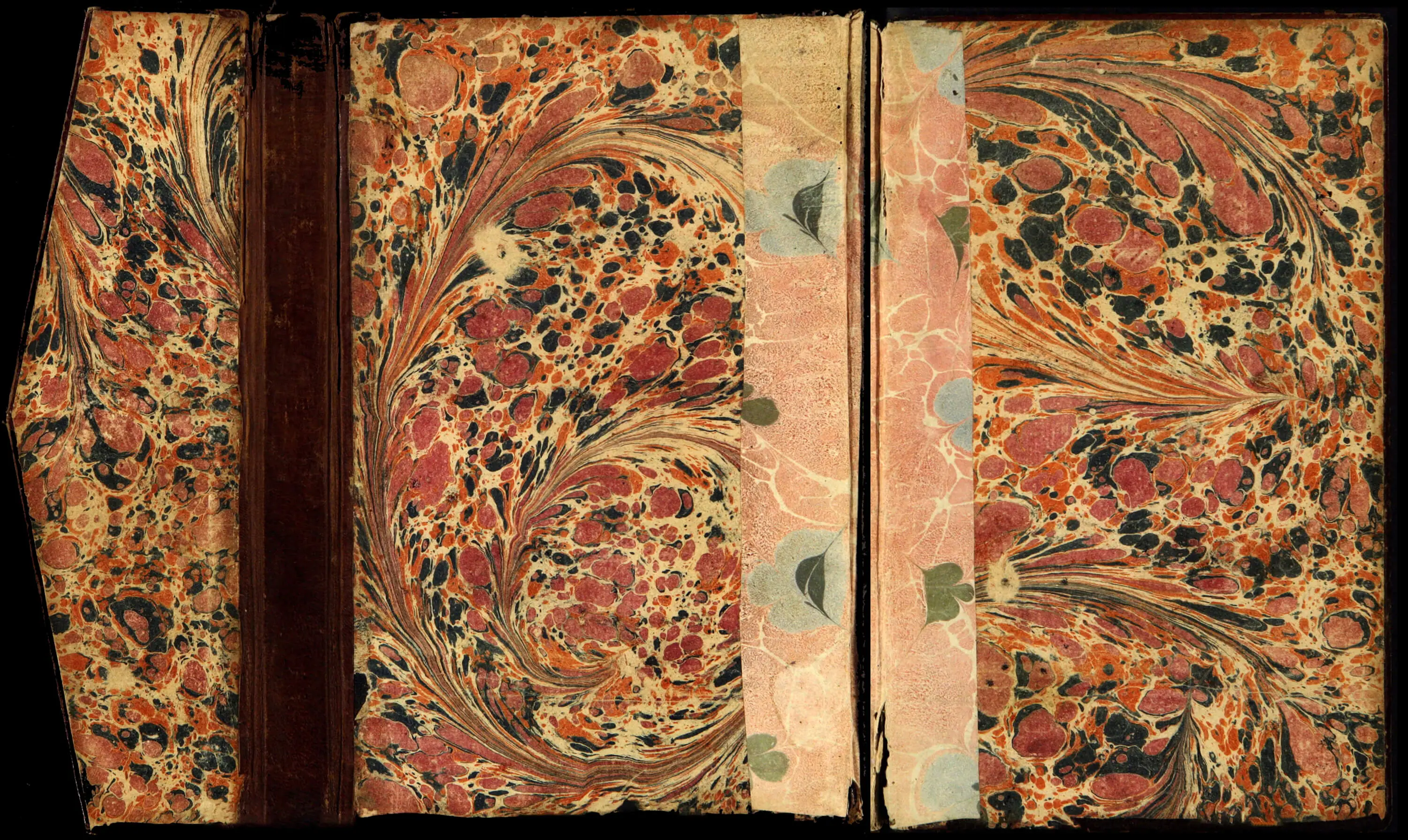
Painting, Sufism, and astronomy formed the three lenses through which Turkish courts explored the cosmos. All sought to extend human vision and reveal the invisible. Centuries before the telescope, Persian astronomers identified distant galaxies and described them as “little clouds.” To explore these celestial clouds, Timurid artists developed clouded papers (kaghaz-i abri), creating colorful whirlpools by sprinkling pigments across water. These swirling forms, captured through imagined mirror systems, closely resemble the galaxies now revealed by space telescopes such as the James Webb. First came artistic vision and mystical imagination. Technology followed.
Algorithmic Sandstorms
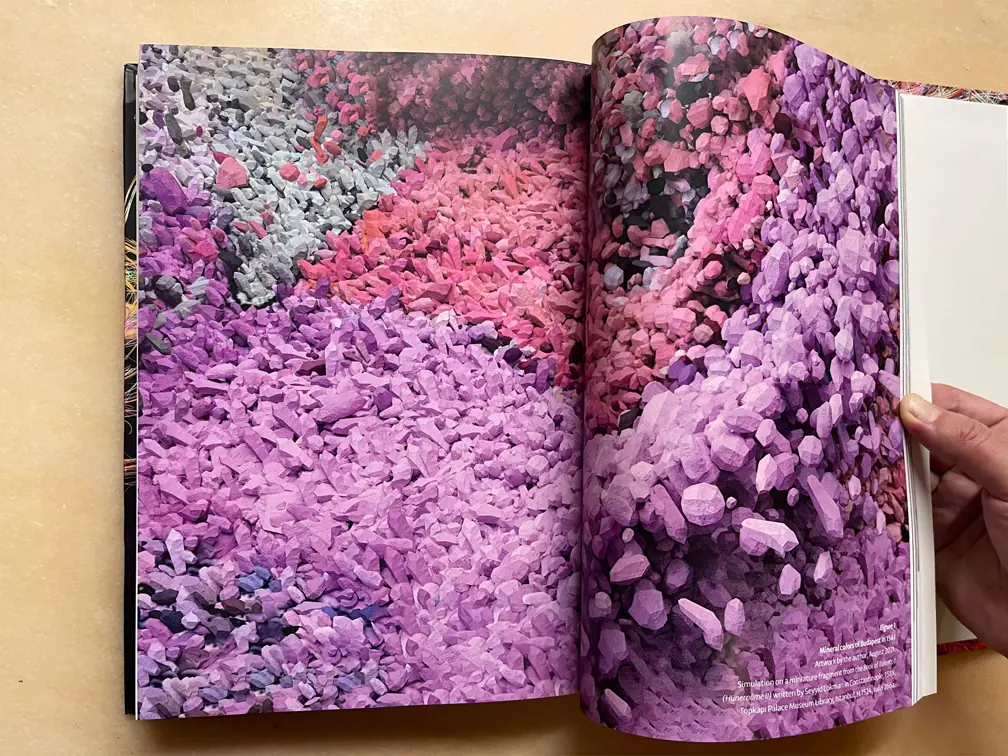
Like the artists of the Silk Road, we now use fluid dynamics to visualize the undecipherable complexity of the cloud. This reflects a transformation in the location of wonder. Awe has shifted from the unknowable deity to the unknowable machine. Particle simulations known as sandograms replace holograms, expressing a new embodied virtuality where data becomes material. Derived from computational models originally developed to simulate atomic shockwaves and galactic formation, sandograms visualize the tension between algorithmic prediction and human freedom. Popularized in science fiction such as Foundation and Dune, they revive ancient traditions of divining the future through sand. These simulations become the intuitive language of science in an age of post-intelligence, where data is no longer merely seen but experienced as a physical force.